The difference between memorizing a recipe and truly mastering cocktail service reveals itself the moment your first guest arrives. While most home bartenders focus obsessively on perfecting measurements and techniques in isolation, the real anxiety emerges at a different point entirely: the strategic decisions that transform a simple drink into an orchestrated experience.
Professional bartenders understand something home enthusiasts often overlook. Success isn’t just about executing a perfect Sidecar or Sazerac. It’s about reading the room’s energy, choosing the right moment for complexity, and presenting each pour with quiet confidence. This mastery extends far beyond what you’ll find in Rémy Martin mixology recipe collections, requiring a complete shift in how you approach home entertaining.
The gap between knowing three recipes and delivering memorable hospitality spans several crucial dimensions. Timing matters more than perfection. The narrative you craft around each cocktail creates lasting impressions. Small execution details signal expertise to your guests, often unconsciously. And perhaps most importantly, the ability to read reactions and adapt in real-time separates confident hosts from rigid amateurs following scripts.
Cognac Hosting Mastery in 5 Strategic Moves
- Match cognac expressions to your evening’s natural progression, starting light and building toward complexity
- Master the three-point sensory description framework that sounds knowledgeable without pretension
- Execute small visible details (glass temperature, construction order, garnish timing) that guests unconsciously read as expertise
- Develop real-time adaptation skills by reading facial cues and offering graceful adjustments
- Build repeatable confidence through strategic preparation that balances rehearsal with spontaneity
Matching Expressions to Your Evening’s Natural Arc
The home bartending renaissance reflects a fundamental shift in how people approach entertaining. Recent market analysis shows the bartender kits market size reaches $1302.25 Million in 2025, driven largely by consumers seeking to replicate professional-level hospitality at home. Yet most educational content still treats cocktails as isolated recipes rather than strategic elements in a larger hosting experience.
Think about how professional bartenders orchestrate an evening’s flow. They don’t simply make whatever guests request in random sequence. Instead, they guide the experience through deliberate progression, matching drink complexity to both the time of evening and the evolving mood of the room. This strategic thinking begins with understanding which Rémy Martin expression serves which moment best.
Younger cognacs like VS and VSOP bring energy and approachability that naturally suits an evening’s opening hour. Their bright, fruity character welcomes guests without overwhelming palates that haven’t yet warmed to spirits. The first cocktail you serve sets the entire tone, and starting too complex or spirit-forward can create subtle discomfort that lingers.
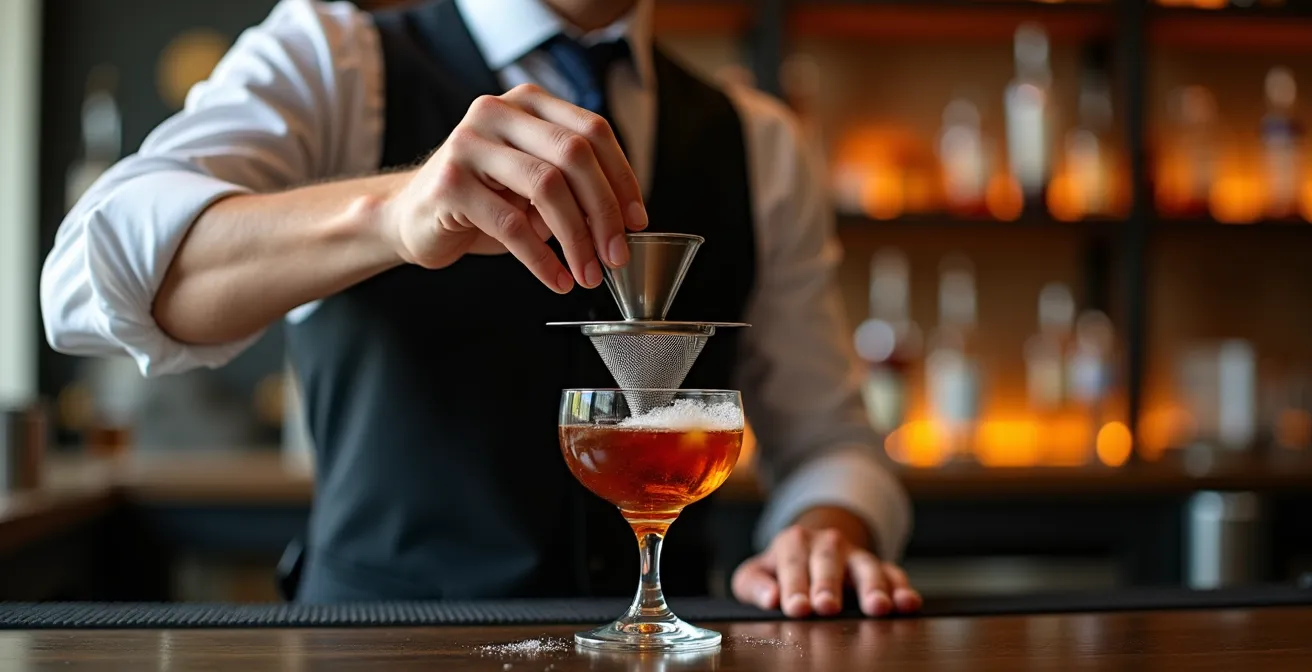
Consider this opening-hour signature: the Rémy Citrus Sidecar. Combine 2 oz Rémy Martin VSOP, 1 oz Cointreau, and 0.75 oz fresh lemon juice in a shaker with ice. Shake vigorously for 15 seconds and strain into a chilled coupe with a sugared rim. The bright citrus notes and balanced sweetness create immediate appeal, while the cognac’s complexity reveals itself gradually as guests sip and settle into conversation.
| Evening Phase | Ideal Expression | Cocktail Style | Guest Energy |
|---|---|---|---|
| Opening Hour | VS/VSOP | Bright, Citrusy | High, Conversational |
| Mid-Evening | 1738 Accord Royal | Complex, Balanced | Settled, Engaged |
| Late Night | XO | Spirit-Forward | Contemplative |
The mid-evening transition presents the most nuanced decision point. Guests have settled into comfort, conversation has found its rhythm, and palates have awakened to complexity. This natural shift creates the perfect moment to introduce richer expressions like Rémy Martin 1738 Accord Royal or even XO, served in cocktails that showcase rather than mask their depth.
How Elite NYC Bars Shifted Toward Intuitive Service
The evolution of New York’s cocktail scene reveals a telling pattern. Attaboy, one of the city’s most respected craft cocktail destinations, operates without a menu. Instead, as industry analysis reveals, guests explain to the bartender what they’re in the mood for and trust the professionals to guide them. This approach succeeds precisely because skilled bartenders read both the guest’s stated preferences and their unstated needs, matching drink style to moment and mood rather than following rigid formulas.
Reading and adapting your sequence to actual guest energy levels separates rigid planning from responsive hosting. Some evenings naturally call for extended time with lighter cocktails. Other gatherings accelerate toward complexity faster than anticipated. Observe conversation patterns, watch how quickly drinks are consumed, and notice whether guests lean toward animated discussion or contemplative quiet.
Strategic Cocktail Sequencing Framework
- Start with lighter VS-based cocktails to welcome guests with approachable complexity
- Monitor conversation energy levels to time the transition to VSOP drinks
- Reserve XO-based cocktails for intimate, late-evening moments when palates are primed
- Look for a cognac that’s aged for at least a few years, as this aging process adds depth and richness
Crafting the Sensory Narrative Around Each Pour
The gap between knowing a recipe and presenting it with genuine confidence often manifests in a single anxious moment: what do you actually say when you hand someone the drink? Most home bartenders either say nothing, creating awkward silence, or over-explain with technical details that sound rehearsed rather than natural. The solution lies in developing a simple verbal framework that builds anticipation without pretension.
Professional bartenders employ a three-point sensory description pattern that feels conversational while strategically setting expectations. They mention one visual element, one aromatic note, and one flavor promise. This structure sounds knowledgeable without overwhelming guests with information they didn’t request. More importantly, it creates a moment of pause that elevates the serving ritual from transaction to experience.

Consider how this framework transforms the presentation of a mid-evening cocktail: the Rémy French Connection. As you combine 1.5 oz Rémy Martin 1738 Accord Royal with 0.75 oz amaretto in a mixing glass with ice, you’re already thinking about the sensory story. After stirring for 30 seconds and straining over a large ice sphere in a rocks glass, you might say: “This has that beautiful amber clarity, with almond and vanilla on the nose, finishing with toasted oak warmth.” Three details, delivered naturally, that completely change how your guest experiences the first sip.
The origin story approach offers another powerful presentation tool, particularly for cocktails with historical significance. The French Connection cocktail emerged during the 1970s, named after the famous film, and represents the classic pairing of French cognac with Italian amaretto. Connecting this historical context to the present moment transforms a simple serve into a shared cultural experience, demonstrating depth without appearing pretentious.
Creating anticipation through strategic pause matters more than most home bartenders realize. Watch how skilled professionals work: they don’t rush the handoff. They allow a brief moment between completing the cocktail and serving it, letting the visual presentation register fully. This pause signals care and intention, unconsciously communicating that what you’ve created deserves attention. One or two seconds of silence carries more impact than hurried explanation.
Avoiding common verbal mistakes proves equally important as developing strong presentation habits. Self-deprecating comments like “I hope this turned out okay” or “I’m still learning” immediately undermine credibility and make guests feel uncertain about what they’re drinking. Conversely, overly technical language about specific botanical profiles or precise aging barrels creates distance rather than connection. The balance point exists in confident simplicity, reflecting the French art of living where sophistication appears effortless.
Executing Small Details That Signal Quiet Mastery
Guests unconsciously evaluate your cocktail expertise through micro-signals that have nothing to do with whether the drink tastes correct. Glass temperature, the visibility of your measuring process, construction order, garnish timing—these small execution choices create disproportionate impact on perceived mastery. Professional bartenders obsess over these details precisely because they understand what guests actually notice.
Pre-chilling glassware represents the most visible signal of preparation and care. When you hand someone a cocktail in a properly chilled coupe or rocks glass, the cold surface communicates thoughtfulness before they’ve taken a single sip. For Rémy Martin cocktails served up, like a Sidecar or French Connection variation, this detail becomes non-negotiable. The contrast between cold glass and room-temperature hands creates immediate sensory feedback that says “this was done right.”
The late-evening cocktail demonstrates these principles perfectly: a Rémy Sazerac. Chill an Old Fashioned glass with ice water while you prepare the drink. In a mixing glass, muddle one sugar cube with three dashes of Peychaud’s bitters. Add 2 oz Rémy Martin XO and ice, then stir for 45 seconds. Discard the ice water from your serving glass and rinse it with a small amount of absinthe, coating the interior. Strain the stirred cocktail into the prepared glass and express a lemon peel over the surface, then discard.
Notice how every step in that preparation contains visible expertise markers. The separate glass preparation, the deliberate stirring time, the absinthe rinse, the expressed peel that you discard rather than drop in the glass—each detail signals mastery to anyone watching. More importantly, these aren’t performative gestures. Each genuinely improves the final cocktail while simultaneously demonstrating competence.
Measuring in front of guests actually signals professionalism rather than amateurism, contrary to what many home bartenders fear. Professional bartenders use jiggers visibly because precision matters and pretending to eyeball measurements often leads to inconsistent results. When you measure confidently, using smooth motions and proper pouring technique, guests read this as expertise. It’s only when you fumble with tools or appear uncertain that visible measuring becomes a weakness.
Construction order matters for both practical and perceptual reasons. Building cocktails in the proper sequence—spirits first, then liqueurs, then citrus, then ice—demonstrates systematic thinking that guests notice even if they don’t consciously understand why. Similarly, adding garnishes at the final moment rather than preparing them in advance shows that freshness matters to you. A lemon peel expressed immediately before serving releases aromatic oils that dissipate within minutes. Guests perceive this timing even if they couldn’t articulate the difference.
Reading Reactions and Adjusting Your Service Flow
The moment you hand a guest their cocktail, a crucial feedback loop begins that most home bartenders completely miss. Facial expressions, body language, sipping pace, and verbal responses all communicate valuable information about whether your creation landed as intended. Developing the ability to read these signals and respond gracefully separates rigid recipe followers from genuinely confident hosts.
Non-verbal cues reveal far more than polite verbal responses. Watch your guest’s face during the first sip. A slight widening of eyes followed by a quick second sip suggests pleasant surprise and genuine enjoyment. A brief pause, a subtle head tilt, or a slow second approach indicates curiosity mixed with unfamiliarity—the drink challenges their expectations, which might signal success or suggest recalibration. A maintained neutral expression followed by setting the glass down without a second immediate sip often means the cocktail missed the mark.
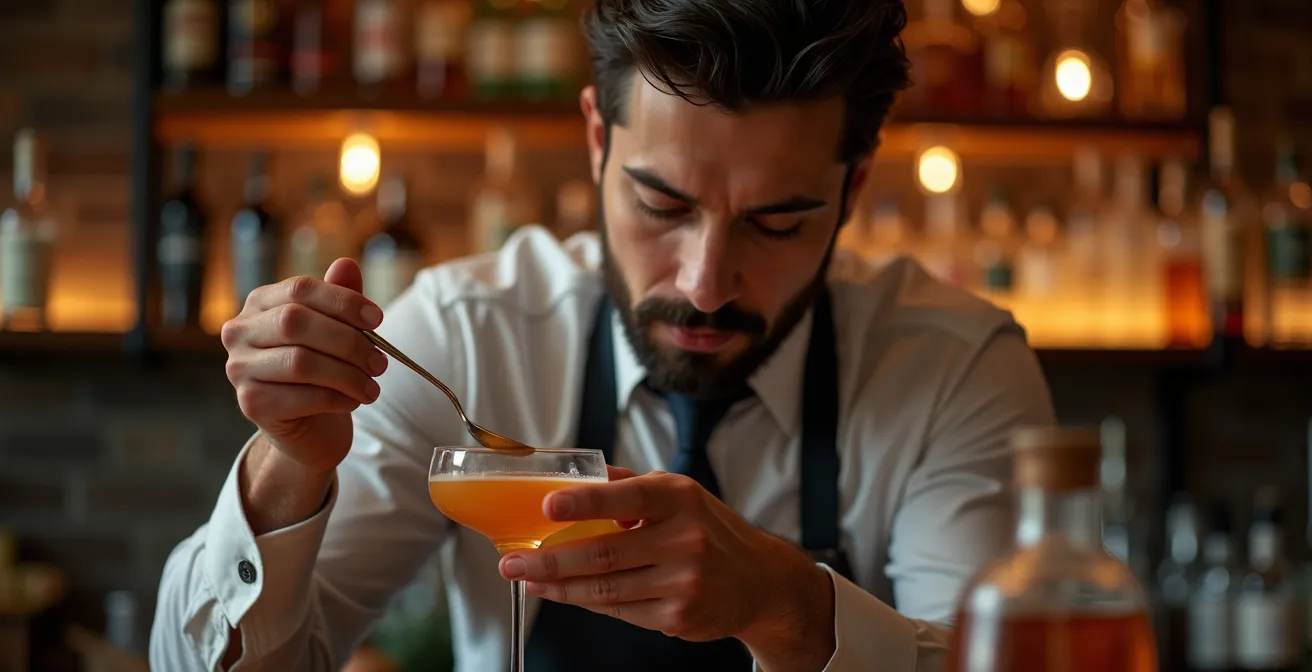
Learning to distinguish between “too strong,” “too sweet,” and “unfamiliar but intrigued” requires attention to specific behavioral patterns. If a guest takes a small sip, pauses longer than expected, then reaches for water or a nearby snack before the second sip, the cocktail likely reads as too spirit-forward for their current preference. Conversely, if they sip quickly and frequently but don’t engage in conversation about the drink, it may be landing as pleasant but unremarkable—too sweet or simple to create interest.
Offering subtle adjustments without apologizing transforms potential failure into collaborative refinement. Instead of “Oh, is it too strong? I can fix that,” try “I can lengthen this with a bit of soda if you’d like it lighter.” The second approach frames adjustment as customization rather than correction, preserving your credibility while addressing the guest’s unstated preference. Similarly, having a small plate of orange or lemon twists nearby allows you to offer “You might try this with an orange expression instead—it brings out different notes” without implying the original preparation was wrong.
Building Plan B variations for each signature cocktail creates genuine adaptability. For the opening Rémy Citrus Sidecar, your adjustment path might involve lengthening with champagne for guests who find it too tart, or adding a bar spoon of simple syrup for those with sweeter preferences. The mid-evening French Connection adapts well to a rocks serve with soda for guests who need something lighter, or can shift toward a richer Manhattan-style build with a dash of chocolate bitters for those ready for more complexity.
Reframing imperfection as authentic connection requires a mindset shift that many home bartenders resist. When you acknowledge that you’re reading your guest’s preferences and adapting accordingly, you’re not admitting failure—you’re demonstrating genuine hospitality. Professional bartenders at the highest level do this constantly, treating each interaction as collaboration rather than performance. The willingness to adjust signals confidence rather than uncertainty, as long as you frame it as attentiveness to individual preferences rather than doubt about your original creation.
For those seeking to expand their repertoire beyond these three foundational cocktails, you can Find French spirits near you to explore different Rémy Martin expressions and complementary ingredients that allow for further experimentation and personalization.
Building Repeatable Confidence Through Strategic Preparation
The psychological barrier preventing most people from attempting sophisticated cocktails at home isn’t lack of knowledge—it’s fear of fumbling in front of guests. This anxiety manifests as over-rehearsal that produces robotic execution, or conversely, as avoidance that keeps your skills permanently theoretical. The solution lies in developing a preparation system that builds genuine muscle memory without sacrificing the spontaneity that makes hospitality feel authentic.
The pre-event checklist transforms vague anxiety into concrete action items mapped to a realistic timeline. Three hours before guest arrival, verify you have all spirits, liqueurs, bitters, and fresh ingredients. Two hours out, prepare your garnishes and chill appropriate glassware. One hour before, set up your bar area with tools in logical sequence: jigger on the left, mixing glass center, shaker right, bar spoon and strainer between. This systematic approach eliminates the mental load of remembering details when guests are present, freeing your attention for reading the room and engaging naturally.
Practicing each cocktail exactly once—not ten times—builds confidence without creating mechanical repetition that strips away presence. The night before your gathering, make each of your three planned cocktails one time. Taste them, note any adjustments needed, and then stop. This single rehearsal familiarizes your hands with the motions and confirms your ingredients work harmoniously, but leaves enough novelty that you’ll still be mentally present during actual service. Over-rehearsal creates the dangerous illusion that you can execute on autopilot, which inevitably fails when real-world variables emerge.
The strategic preparation matrix distinguishes what you can prepare in advance from what must be executed fresh to maintain quality and visual impact. Citrus juice oxidizes and loses brightness within hours, so squeezing lemons in advance undermines your cocktail before you begin. Simple syrup, however, keeps for weeks refrigerated. Sugar rimmed glasses can be prepared an hour ahead. Ice should be fresh and dry, not sitting in room temperature melting into wet clumps. Understanding these distinctions prevents both under-preparation that creates stress and over-preparation that degrades quality.
The final mindset reframe might be the most important element of all: embracing slight imperfection as part of hospitality’s authentic charm rather than performance failure. Your guests didn’t come to evaluate your technical bartending skills—they came to connect with you and each other in a welcoming environment. A perfectly executed cocktail served with anxious energy creates less memorable experience than a slightly imperfect drink offered with genuine warmth and attention. The goal isn’t flawless replication of professional standards. The goal is creating moments of connection through thoughtful hospitality, where elevated cocktails serve as vehicles for generosity rather than demonstrations of mastery.
Key Takeaways
- Strategic sequencing from light to complex expressions creates natural evening progression that guests feel but rarely articulate
- Three-point sensory descriptions establish expertise through conversational confidence rather than technical terminology
- Visible execution details like glass temperature and garnish timing create disproportionate impact on perceived mastery
- Reading non-verbal feedback and offering graceful adjustments transforms rigid recipes into responsive hospitality
- Single-rehearsal preparation builds muscle memory while preserving the spontaneous presence that makes hosting authentic
Frequently Asked Questions on Cognac Mixology
Should I measure spirits in front of guests or does it look unprofessional?
Measuring visibly actually signals professionalism rather than amateurism. Professional bartenders use jiggers because precision creates consistency, and attempting to eyeball measurements often produces unbalanced cocktails. Measure with confidence using smooth, practiced motions, and guests will read this as expertise rather than uncertainty.
How do I know when to transition from opening cocktails to more complex serves?
Watch for natural behavioral shifts in your gathering. When conversation settles from animated greetings into engaged discussion, when guests have finished their first drink and appear relaxed rather than energetic, and when the room’s energy feels contemplative rather than buzzing, these signals indicate readiness for cocktails with greater complexity and spirit-forward character.
What if guests don’t like the cocktail I’ve prepared?
Develop graceful adjustment phrases that frame changes as customization rather than correction. Instead of apologizing, offer options like adding soda to lengthen the drink, adjusting sweetness with simple syrup, or changing the garnish to bring out different aromatic notes. This approach demonstrates attentive hospitality while maintaining your credibility as a thoughtful host.
How far in advance can I prepare cocktail ingredients?
Fresh citrus juice should be squeezed within two hours of use, as it oxidizes quickly and loses brightness. Simple syrups, infusions, and sugar-rimmed glasses can be prepared hours or even days ahead. Ice should remain dry and cold until the moment of use. Understanding these timing distinctions prevents both stressful last-minute preparation and quality degradation from premature prep work.