Flavors of France
Have you ever wondered why the Ratatouille you enjoyed on a terrace in Provence possessed a depth of flavour that seems impossible to replicate in a British kitchen? Or why a modest regional wine tasted like nectar when paired with a local stew, yet seems underwhelming when opened at home? The secret to French gastronomy rarely lies in complex gadgetry, but rather in a profound respect for terroir, seasonality, and the specific chemistry of ingredients.
Understanding the flavours of France requires looking beyond the recipe book. It involves learning how to shop for genuine produce in the UK, understanding why specific potato varieties make or break a Hachis Parmentier, and recognising that wine pairing is more about structural harmony than price tags. This guide explores the fundamental pillars of French cuisine to help you bridge the gap between an attempted dish and an authentic culinary experience.
The Critical Role of Terroir and Sourcing Ingredients
The concept of terroir—the environmental factors that affect a crop’s phenotype—is not limited to wine. It is the reason why produce from specific French regions behaves differently in the pan compared to standard supermarket alternatives found in the UK. When you attempt to recreate French classics, the substitution of ingredients is often the primary source of disappointment. A classic Gratin Dauphinois, for example, relies on the starch content of specific potato varieties; using a waxy salad potato instead of a floury variety can alter the entire texture of the dish.
Navigating AOP and AOC Certifications
To find genuine quality, one must understand the labelling system. The AOP (Appellation d’Origine Protégée) label is not merely a marketing tool; it is a legal guarantee of provenance and production method. Whether you are buying butter from Isigny or lentils from Le Puy, these certifications ensure that the product has been made according to strict traditional standards.
- AOP/AOC: Guarantees the product originates from a specific region and follows traditional methods.
- IGP: Links the product to a geographical area for at least one stage of production.
- Label Rouge: Focuses on superior quality and taste compared to standard products, often crucial for poultry.
Mastering the Art of French Wine Pairing
One of the most common frustrations for enthusiasts is the disconnect between wine apps and the reality of a French dinner table. In France, wine is considered an ingredient of the meal itself, not just an accompaniment. The golden rule often ignored in the UK is that local wines pair best with local dishes. A heavy, tannic red might overwhelm a delicate dish, whereas a high-acid local white can cut through the richness of a goat cheese from the same village perfectly.
Temperature and Timing
Even the finest Grand Cru can be ruined by improper service. A common mistake in British homes is serving red wines too warm (at central heating room temperature) and white wines too cold (straight from the fridge). Authenticity comes from understanding that temperature impacts the perception of tannins and acidity. Furthermore, knowing when to decant a young Bordeaux versus a fragile older vintage is a skill that elevates the dining experience significantly.
Deconstructing Regional Classics: Technique Over Gadgets
Why does a Cassoulet from Castelnaudary differ from one in Toulouse? The answer lies in the nuance of technique and the choice of beans and meats. Authentic French home cooking, particularly the plats mijotés (slow-cooked dishes) like Daube or Coq au Vin, relies on patience. The depth of flavour often comes from the gelatinous breakdown of collagen over hours, or even days. A 24-hour marinade for a Daube isn’t an optional step; it’s the chemical foundation of the sauce.
Similarly, dishes like Hachis Parmentier are often mistaken for Shepherd’s Pie. However, the technique for the purée—aiming for a silky texture rather than a fluffy mash—and the treatment of the meat (often leftover pot-au-feu rather than fresh mince) creates a completely different culinary identity. Mastering these distinctions allows you to bring the true bistro experience into your home.
The Cheese Course: Selection, Seasonality and Affinage
In France, the affineur (the person who matures the cheese) is often more celebrated than the dairy farmer. The environment in which a Comté or a Camembert is aged dictates its final flavour profile. A common error is assuming that a specific cheese tastes the same year-round. Cheese is seasonal; a Mont d’Or is strictly a winter delight, while fresh goat cheeses are at their peak in spring.
Serving Cheese Correctly
To appreciate the complexity of French cheese, avoid the “straightfromthefridge” approach. Cold temperatures mute the volatile compounds responsible for aroma and flavour. Additionally, understanding the distinction between fermier (farmhouse) and industriel productions will help you understand why some cheeses cost triple the price of their supermarket neighbours—and why the taste difference justifies the expense.
Sweet Excellence: Chocolate and Pralines
The world of French patisserie and chocolate is governed by precision. When selecting chocolates, look for the MOF (Meilleur Ouvrier de France) collar on the chocolatier’s jacket—a sign of ultimate craftsmanship that surpasses any marketing claim. The difference between a silky praline and a grainy one often comes down to the freshness of the nuts and the temperature control during the caramelisation process. Whether you prefer the dark intensity of Basque chocolate or the refined ganaches of Paris, training your palate to detect the use of pure cocoa butter versus vegetable fats is the first step in true appreciation.
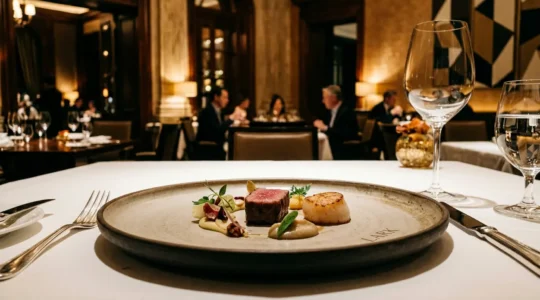
Why Does Your Special Occasion Dinner at a Starred Restaurant Sometimes Disappoint?
A starred restaurant’s success isn’t just the food; it’s about mastering the ‘game’ of dining that most guests don’t even know they’re playing. Disappointment often stems from an ‘expectation gap’ amplified by the star system itself, not poor cooking. Strategic…
Read more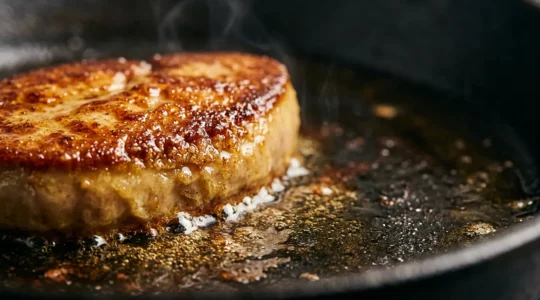
Why Does Your Pan-Seared Foie Gras Disappear Into Fat While Restaurant Portions Stay Intact?
The common belief is that searing foie gras requires just a brutally hot pan. The reality is that success lies not in brute force, but in scientific precision. The frustrating melting you’re experiencing isn’t a cooking failure; it’s a predictable…
Read more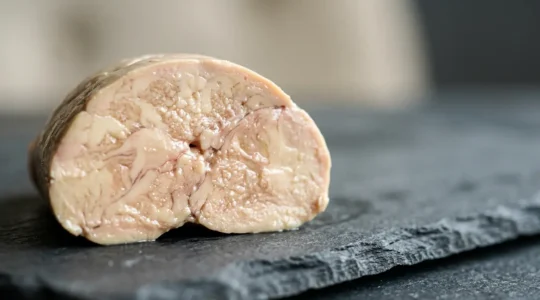
Why Does Expensive Foie Gras Often Taste Liver-y When Exceptional Versions Taste Silky?
The sublime texture of exceptional foie gras is not an accident of luxury, but the direct result of verifiable production choices that separate authentic craft from industrial compromise. Farm scale and ethical practices directly impact the liver’s final quality, creating…
Read more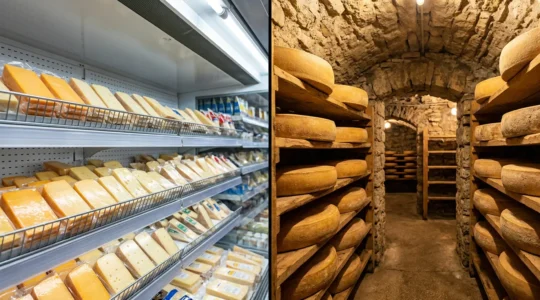
Why Does Your Comté From the Supermarket Taste Like Plastic Compared to What You Had in Jura?
That ‘plastic’ taste from your supermarket Comté isn’t from the wrapper—it’s the taste of a broken promise, a severed chain of quality. True Comté flavour is born from a seasonal “chain of custody”: the specific wildflowers cows eat, the use…
Read more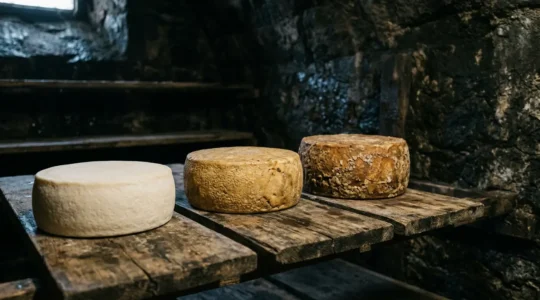
Why Do Some Shops Charge Triple for AOP Cheese That Tastes No Better Than Standard?
The AOP label is not a guarantee of superior taste, but a baseline of authenticity; true quality is revealed by decoding secondary signals like the producer, the affineur (ripener), and the season of production. A high price on an AOP…
Read more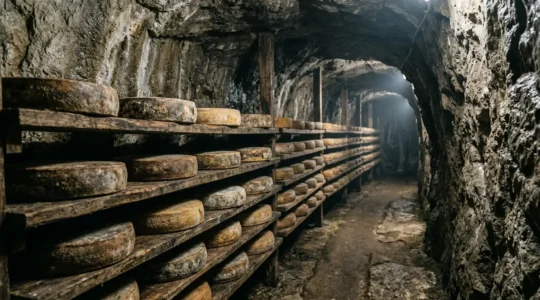
Why Does the “Same” French Cheese Taste Different at Every Shop You Visit?
The taste of a French cheese is sculpted more by the final handler (the affineur) than by its origin, turning your purchase from a lottery into a choice. An AOP label guarantees authenticity and method, not the peak of flavour;…
Read more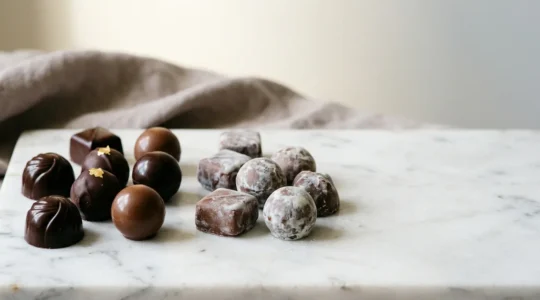
Why Does Your Box of French Pralines Taste Waxy When the Shop Ones Were Silky?
You might believe the difference between a sublime, silky praline and a waxy, disappointing one is merely about ‘better ingredients’ or a higher price tag. The reality is far more precise. The coveted texture is a feat of fragile science,…
Read more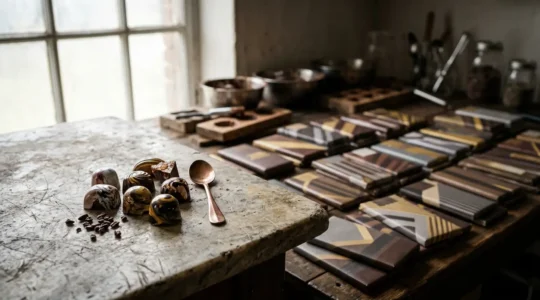
Why Do “Master Chocolatier” Labels Mean Nothing When Every High Street Shop Uses Them?
The terms “Master Chocolatier” and “Artisanal” are legally meaningless marketing fluff in France, designed to confuse tourists and connoisseurs alike. The state-awarded Meilleur Ouvrier de France (MOF) is the only verifiable designation of elite, peer-reviewed craftsmanship. Most “artisans” are transformateurs…
Read more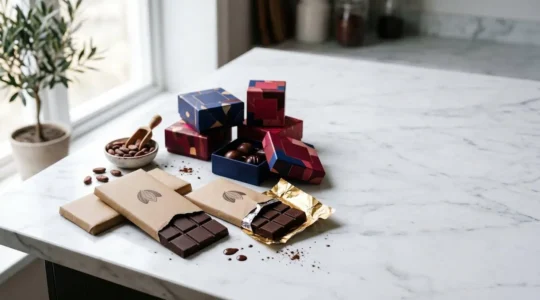
Why a £10 French Chocolate Bar Can Taste Better Than a £50 Box
The high price of French chocolate is often a poor indicator of its taste and quality; true value lies in understanding craft, not marketing. Famous brands are often ‘assemblers’ using pre-made chocolate, while unknown ‘makers’ control the process from bean…
Read more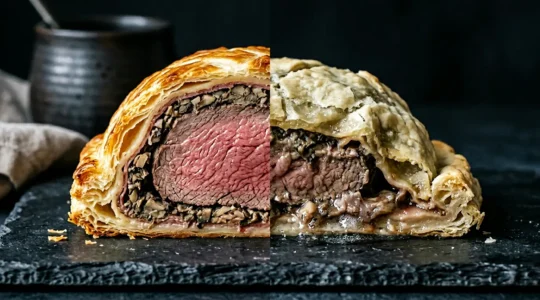
Why Does Your Beef Wellington Turn Out Soggy When You Followed the Recipe Exactly?
A soggy Beef Wellington isn’t a recipe failure; it’s a breakdown in its internal moisture management system. The primary enemy is steam, not just water, which must be controlled at every layer before and during the bake. A crêpe barrier…
Read more