Blog
In an increasingly interconnected marketplace, understanding the true value of a product or experience has become a complex task. Consumers are often presented with prices and marketing claims that obscure the reality of supply chains and service delivery. Whether standing in a pharmacy aisle or booking a holiday excursion, the challenge remains the same: distinguishing between genuine value and inflated positioning.
The purpose of this section is to dissect the mechanisms that drive costs and shape perceptions in the lifestyle sector. By analysing the economics of imported goods and deconstructing the vocabulary used in travel marketing, we aim to provide the necessary context for making informed, rational purchasing decisions.
The Economics of Imported Beauty Products
For many consumers in the United Kingdom, French pharmacy brands represent the gold standard of skincare. However, a significant disparity often exists between the domestic price of these items in France and their retail price on the British High Street. Understanding this price gap requires looking beyond the shelf tag and examining the logistical and regulatory realities of cross-border trade.
Logistics and Distribution Costs
The journey of a product from a Parisian warehouse to a British bathroom cabinet involves multiple layers of operational costs. Distributors must account for shipping, warehousing in the UK, and the margins required by local retailers. Unlike domestic products, imported goods carry the weight of an extended supply chain where every miles adds to the final cost.
Regulatory and Tariff Implications
Following recent changes in the trade relationship between the UK and the European Union, the administrative burden on imported cosmetics has increased. These invisible costs often account for a substantial portion of the markup observed by consumers.
- Customs declarations: Each shipment requires specific documentation, incurring administrative fees.
- Safety assessments: Products must comply with specific UK regulations, sometimes requiring separate testing or labelling.
- VAT and Duties: These fiscal obligations are ultimately passed down to the end consumer.
Decoding Marketing Language in Travel
Just as pricing structures can be opaque, the language used to sell experiences is often designed to evoke a sense of rarity that may not exist. The travel industry, in particular, relies heavily on aspirational terminology. One of the most pervasive terms is « exclusiveaccess », a phrase that frequently promises more than it delivers.
The Reality of « Skip-the-Line » Access
Many tour operators market « exclusive » entry to major landmarks. In reality, this often refers to pre-booked group slots that are available to any registered agency. While this adds convenience, it rarely equates to a private or solitary experience. The consumer is paying a premium for organisation rather than genuine exclusivity.
Standardisation of Tourist Experiences
Mass tourism relies on scalable processes. Truly unique access is difficult to operationalise for thousands of visitors. Consequently, what is marketed as a « hiddengem » tour often follows a rigid, standardised route shared by dozens of other operators simultaneously. Recognising these patterns helps in setting realistic expectations and assessing whether the premium price tag is justified by the actual service provided.
Principles of Smart Consumption
Navigating these sectors requires a shift from passive consumption to active analysis. By questioning the origin of a price tag or the definition of a marketing claim, buyers can regain control over their spending.
It is advisable to research the local pricing of international products to understand the baseline value before import costs are added. Similarly, in travel, reading independent reviews that detail the logistics of a tour can reveal the truth behind the « VIP » labelling. Knowledge of these underlying mechanisms is the most effective tool against overpaying for standard commodities and services.
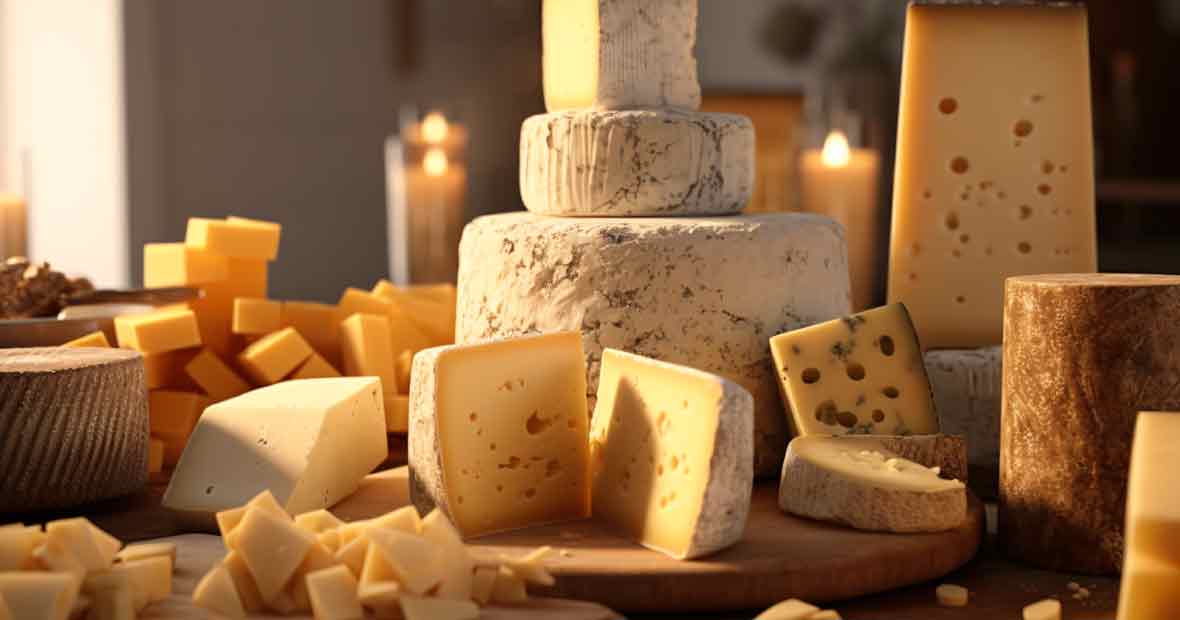
French Cheeseboard Etiquette: A Guide to Serving and Enjoying
Were you aware that the French cheeseboard boasts a history that can be traced as far back as the 15th century? This is due in large part to the fact that French cheeses are much more than a tasty treat….
Lire la suite
What is the difference between Champagne and cuvée?
With the century-old french wine industry still growing today, some questions seem inevitable. Winemakers in France have several meanings for the word cuvée that I will try to highlight today. The implication of the word ‘cuvée, may be based on…
Lire la suite
Why are French wines the best?
French wine is considered the best globally due to its association with a better lifestyle. The French consider wining a culture and an essential part of living. Wine is enjoyed mostly during meals, and it is a mindset for all…
Lire la suiteWhat recipes can be made with Banania chocolate?
You don’t know what snacks to make for your children, yet they are asking for delicious recipes every afternoon and weekend. You should know that there are many ideas to satisfy your children’s needs. You just need to know them…
Lire la suiteWhere to find French products in the United States?
Are you looking for French products in the United States? Whether it’s kitchenware, clothing or food, there are different ways to go about finding them easily. There are also a few places to go to make your purchases. In supermarkets…
Lire la suiteThe French art of living: what is it?
The French people are, generally speaking, citizens who are particularly fond of entertainment, music, festivities and culture in general, as well as the world of catering and hospitality. The French art of living can be defined in three distinct categories;…
Lire la suiteArabica: a noble coffee with a rich taste and aroma!
Arabica coffee comes from a variety of coffee trees that are scattered all over the world. It takes its name from the Arabian Peninsula, more precisely in Yemen. This is where Arabica coffee was first tasted. Arabica coffee is characterised…
Lire la suiteCan we visit a sewing workshop?
High fashion at the moment has a large place in the world. The people in this professional world, in the fashion category, have the role of creating luxury clothes. The sewing workshop A sewing workshop is a workshop that uses…
Lire la suiteTop 5 best croissants in Paris
At the moment, the croissant is ranked as the most popular French pastry. It symbolises a French tradition. The essential ingredients are flour, water and natural leaven. Each baker adds a special touch to make the best croissant. All French…
Lire la suiteHow to get around Paris easily?
The capital of France is best known for its long threads of cars clogging the streets. Every day, millions of people move around the city to go to the office, to run errands, etc. Trying to get around quickly is…
Lire la suite