French Fashion & Styles
For many across the Channel, French fashion represents the pinnacle of elegance—an effortless blend of nonchalance and sophistication that seems innate to Parisians. However, trying to replicate this aesthetic in the UK often leads to frustration. Why does that linen shirt look chic on the Rive Gauche but merely unironed in London? Is that expensive “Made in France” ceramic actually produced in a factory? Understanding the nuances of French style requires looking beyond the glossy magazine images and diving into the realities of craftsmanship, textile quality, and cultural codes.
This resource is designed to guide you through the complexities of the French wardrobe and lifestyle market. Whether you are looking to invest in your first piece of serious luxury, trying to build a sustainable capsule wardrobe, or simply want to stop looking like a tourist when you visit the Marais, we explore the mechanics behind the allure. Here, we decode the labels, the unwritten rules of styling, and the truth about manufacturing origins.
Deciphering the “Made in France” Label
One of the most common pitfalls for British buyers is the assumption that a French brand name guarantees French manufacturing. The reality is far more complex, governed by loose regulations that sometimes allow mass-produced items to masquerade as artisanal goods. Understanding the difference between genuine craftsmanship and clever marketing is the first step to making purchases that hold real value.
The Reality Behind “Artisanal” and Factory Production
It is crucial to understand that terms like “Curated in Paris” or “Designed in France” often indicate that the physical production took place elsewhere, typically in Asia or Eastern Europe. Even the “Made in France” label can legally be applied to a product if a certain percentage of the value-added work happens domestically, even if the raw materials and initial assembly occurred abroad.
To verify a claim before checking out online, look for these specific indicators:
- Specific geographic indication: Genuine heritage brands will often cite the specific region (e.g., “Porcelain from Limoges” or “Linen from Normandy”) rather than a generic national label.
- Transparency on the workshop: Truly artisanal brands usually share photos or videos of their actual workshop (atelier), not just mood boards of Parisian streets.
- Price consistency: If a “handmade” ceramic is priced similarly to high-street mass production, it is a significant red flag. True French labour costs make low prices on artisanal goods impossible.
Navigating Online Boutiques
Many “French Lifestyle” websites cater specifically to the export market, curating goods that feel French but are often white-labelled imports. Distinguishing between platforms that act as genuine guardians of French craft (like certain dedicated concept stores) and those that are essentially dropshipping operations requires vigilance. Always check the “Origin” tab on product descriptions; if it is missing, proceed with caution.
Sustainability vs. Ethics in French Fashion
The French fashion scene has been slow to fully embrace transparency, and there is often a confusion between “luxury” and “sustainable.” Just because a garment is expensive or made by a heritage brand does not automatically mean it was produced ethically or with eco-friendly materials.
The Capsule Wardrobe Paradox
Brands like Sézane and Veja have popularised the idea of the sustainable French capsule wardrobe in the UK. However, consumers must distinguish between clever inventory management (creating artificial scarcity) and genuine environmental stewardship. A true sustainable approach involves analysing the fabric sources and the labour conditions.
Currently, a significant percentage of French fashion brands cannot fully verify their supply chains down to the raw material level. When building your own capsule wardrobe, prioritise brands that:
- Use certified organic or recycled materials (GOTS, recycled wool).
- Release collections in accordance with genuine seasons rather than feeding fast-fashion micro-trends.
- Offer repair services or lifetime guarantees, a hallmark of traditional French durability.
Mastering French Linen in the British Climate
Linen is a staple of the French wardrobe, yet it often behaves differently when worn in the UK. This is not just a matter of styling, but of physics and fabric quality. The humidity levels in London or Manchester can make inferior linen sag and wrinkle unpleasantly, whereas high-quality, long-fibre linen retains a certain structure even when creased.
Choosing the Right Region and Weight
Not all linen is created equal. The coastal regions of Normandy and Brittany produce some of the world’s most durable flax due to the specific oceanic climate. When shopping, look for:
- High GSM (Grams per Square Metre): Heavier weight linen (above 160gsm) falls better and is more appropriate for the cooler British weather.
- Master of Linen certification: This guarantees the product is made from European flax and processed in Europe, ensuring better quality control than imported varieties.
Furthermore, care is critical. The washing machine setting that destroys French linen is usually high spin and high heat. To maintain that “effortlessly chic” look rather than “messy,” wash on a gentle cycle and, crucially, air dry rather than tumble dry. This preserves the fibre’s integrity and natural texture.
The World of Haute Couture and Luxury Investments
For many, French fashion is synonymous with luxury. However, the term “Haute Couture” is a legally protected designation in France, granted to a very small list of houses (currently around 15) that meet strict criteria regarding handmade production in Paris ateliers. Everything else, regardless of price, is Ready-to-Wear (Prêt-à-Porter).
Smart Investing: Vintage vs. Contemporary
If you are looking to acquire a piece of this heritage without the five-figure price tag of modern couture, the vintage market is your best avenue. However, value retention varies wildly between houses. Historically, classic pieces from Chanel (like the 2.55 bag) or Hermès have outperformed the stock market, whereas contemporary seasonal dresses from Dior or Givenchy may depreciate once the trend passes.
Be wary of the counterfeit market, which has become terrifyingly sophisticated. A key authentication detail that exposes many fakes is the font consistency on date codes and the tactile quality of the hardware. When buying pre-owned luxury from the UK, rely on reputable auction houses or certified platforms rather than peer-to-peer marketplaces to ensure authenticity.
Adopting the Parisian Style Mindset
Finally, looking “French” is less about the brand on the label and more about how the clothes are worn. A common mistake made by foreigners is the “total look.” Wearing a Chanel bag, a Dior belt, and Louis Vuitton shoes simultaneously is considered tacky by Parisian standards—it signals a need to prove status rather than innate style.
The Art of the Mix
The secret to the aesthetic seen in the Marais lies in the mix (le mélange). Parisians often pair a high-end vintage accessory with accessible basics from brands like Sandro or even Cos. The goal is versatility. When building your wardrobe, ask yourself: “Can this piece work in a boardroom in Marylebone and a café in Bastille?”
Additionally, pay attention to volume and timing. Parisians tend to switch their wardrobes based on the calendar rather than the daily weather forecast, maintaining a seasonal coherence that looks pulled together. They also avoid over-accessorising. If you are wearing a statement piece of jewellery, leave the other accessories at home. It is this restraint—knowing what to remove before leaving the house—that ultimately defines the style.
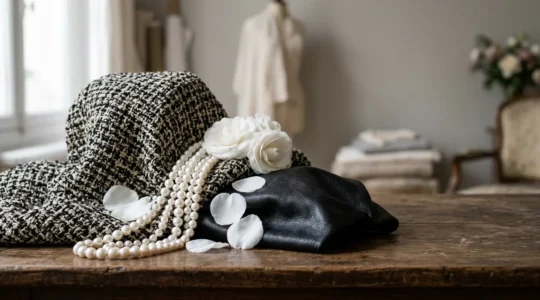
Why Mixing Chanel, Dior, and Louis Vuitton Looks Wrong to Fashion Insiders
The belief that avoiding a logo clash is the key to mixing luxury brands is a fundamental misunderstanding of French style. True elegance comes from respecting the unique, often conflicting, “Brand DNA” of each maison. Houses like Chanel and Dior…
Read more
Why Does Copying Parisian Outfits Exactly Make You Look Like a Tourist Rather Than a Local?
The secret to Parisian elegance in the UK isn’t copying outfits; it’s translating the underlying style codes for a British context. The “Parisian uniform” is a myth; true style comes from a philosophy of investing in quality foundation pieces and…
Read more
Why Does “Couture” on a Label Mean Almost Nothing Outside 15 Specific Paris Ateliers?
Contrary to popular belief, “Haute Couture” is not a marketing term for expensive fashion; it’s a legally protected title, an appellation contrôlée, awarded by the French government to an exclusive group of Parisian ateliers. The term “artisanal” is largely unregulated…
Read more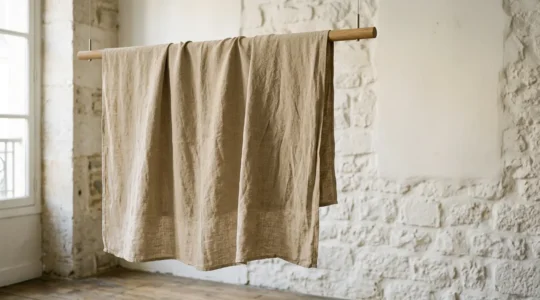
Why Does French Linen Look Effortlessly Chic in Paris but Rumpled and Messy in London?
The secret to Parisian linen elegance isn’t embracing random wrinkles; it’s a technical system of controlling the fabric’s properties. The perceived “effortlessness” comes from deliberate choices in fabric weight (GSM), precise care techniques, and strategic styling. Directly copying a Parisian…
Read more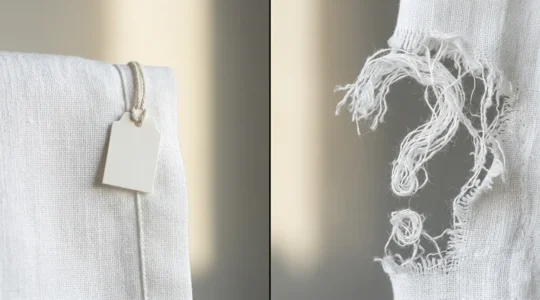
Why Is “Sustainable” French Fashion Often More Expensive but Not More Ethical?
The “Made in France” label is often a marketing tool, not an ethical guarantee, and a high price tag doesn’t equal a clean supply chain. Many brands claiming French heritage lack deep supply chain visibility, making it impossible to verify…
Read more
Why Do So Many “French Lifestyle” Websites Actually Sell Chinese-Made Products?
The “French Lifestyle” you’re buying online is often a marketing illusion; the ‘Made in France’ label is riddled with legal loopholes that favour globalized manufacturing over genuine local craftsmanship. A “curated” collection doesn’t guarantee French origin; it often means a…
Read more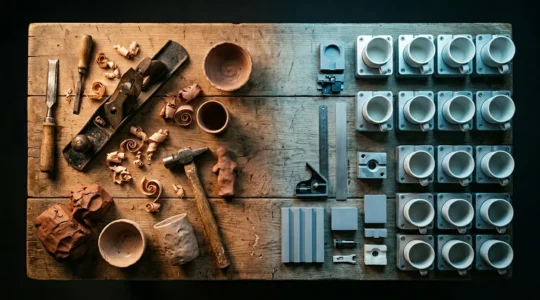
Why Does That “Handmade in France” Label Often Mean Factory Production in Reality?
The “Made in France” label is not a guarantee of authenticity, but often a legal loophole for industrial production that misleads discerning buyers. True artisans leave behind specific clues—process variations, specific pricing logic, detailed stories—while mass-produced fakes hide behind perfect…
Read more