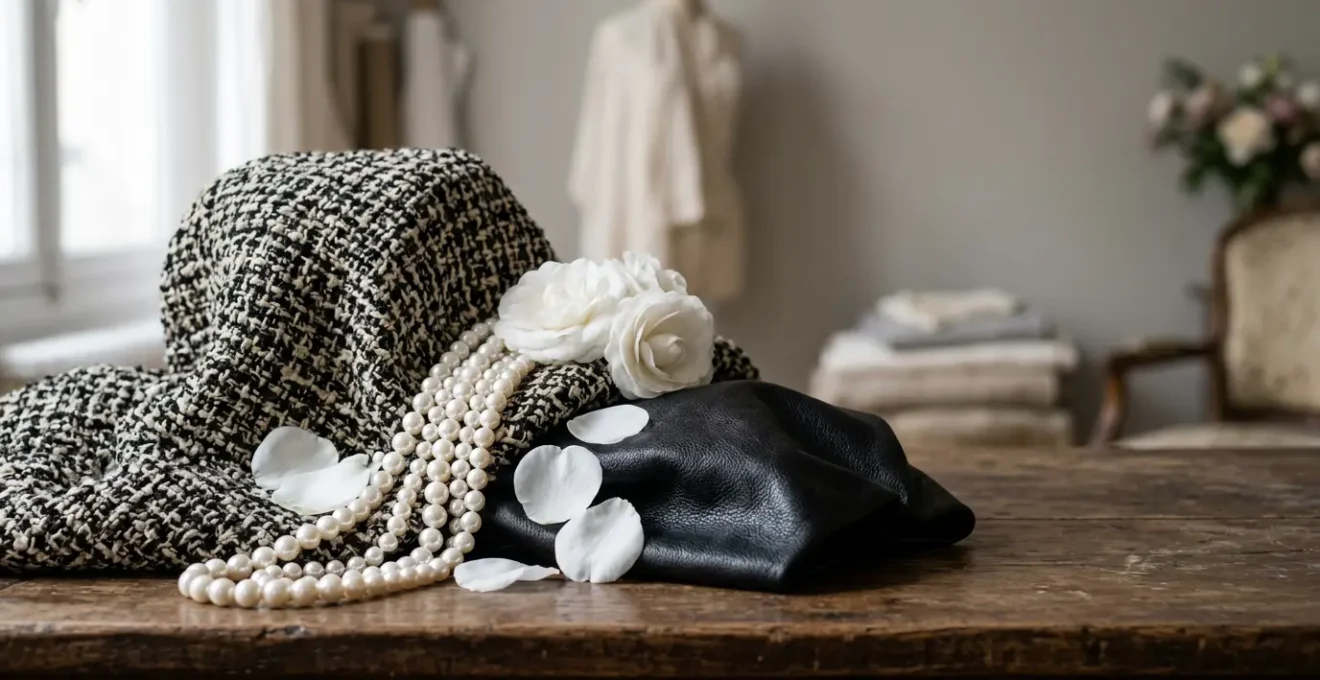
The belief that avoiding a logo clash is the key to mixing luxury brands is a fundamental misunderstanding of French style.
- True elegance comes from respecting the unique, often conflicting, “Brand DNA” of each maison.
- Houses like Chanel and Dior represent opposing philosophies of femininity, making their combination an ideological contradiction.
Recommendation: Build your look around the coherent narrative of a single house, treating clothing as a cultural statement, not a collection of labels.
You’ve likely seen it: an outfit dripping in designer labels, yet something feels distinctly… off. A Chanel bag with a Dior belt and Louis Vuitton shoes. While the common advice is to avoid a cacophony of logos, this surface-level rule misses the point entirely. To the trained eye, particularly in Paris where these houses were born, the issue isn’t a visual clash but a philosophical one. Each great French maison is not merely a brand; it is a universe unto itself, built on a specific and often fiercely guarded vision of style, femininity, and culture. Simply collecting logos without understanding their underlying “house codes” is like trying to speak three languages in a single sentence—the result is noise, not a statement.
This guide moves beyond the simplistic “don’t mix brands” rule. Instead, it delves into the “why.” We will explore the very DNA of these institutions, revealing how their historical rivalries and opposing aesthetic principles are woven into the very fabric of their creations. The real key to looking “expensive” and elegant isn’t about the quantity of luxury you wear, but the coherence of the story you tell. It’s about understanding that choosing a Chanel jacket over a Dior Bar jacket is not just a stylistic preference, but an alignment with a particular chapter of fashion history. By the end of this analysis, you won’t just be a consumer of luxury; you will be a connoisseur, able to decode the subtle language of French fashion and build a wardrobe that communicates true, effortless taste.
This article will deconstruct the core principles that govern the world of French luxury. By exploring the unique identity of each house, you’ll gain the strategic insight needed to build a truly versatile and valuable collection.
Contents: Decoding the Unspoken Rules of French Fashion
- Why Do Fashion Insiders Say You Should Not Mix Certain French Houses in One Outfit?
- How to Build a Wardrobe Around One French Maison for Maximum Versatility?
- Balenciaga Under Demna or Ghesquière: Which Era Should You Collect for Future Value?
- The License Deal That Turned a Prestigious French House Into a Logo Farm
- When Do Major Auction Houses Offer the Best Selection of Vintage French Fashion?
- Why Can Only 15 Houses Legally Call Themselves Haute Couture in Paris?
- Why Do Parisians Spend Less on Clothes but Look More Expensive Than Londoners?
- Why Does “Couture” on a Label Mean Almost Nothing Outside 15 Specific Paris Ateliers?
Why Do Fashion Insiders Say You Should Not Mix Certain French Houses in One Outfit?
The unspoken rule against mixing certain French houses in one outfit has little to do with clashing logos and everything to do with clashing philosophies. At its core, this is about respecting the integrity of each maison’s unique Brand DNA. These are not interchangeable luxury labels; they are institutions founded on opposing ideals, particularly concerning the portrayal of women. The most potent example of this is the historic rivalry between Coco Chanel and Christian Dior, a conflict that defined two contradictory paths for modern fashion.
Chanel’s philosophy was one of liberation. She championed minimalist, comfortable, and even masculine-inspired designs that freed women from the corset. Her focus was on function, ease, and a streamlined silhouette. Christian Dior’s 1947 “New Look” was a direct counter-revolution. He brought back structured, hyper-feminine forms, using meters of lavish fabric to create nipped waists and full skirts. It was a celebration of opulent, romantic femininity. As Coco Chanel famously and caustically remarked about her rival:
Dior doesn’t dress women. He upholsters them.
– Coco Chanel
This “aesthetic war” demonstrates how two houses can be built on fundamentally incompatible ideologies. To wear a Chanel jacket with a Dior skirt is to simultaneously embody two conflicting female archetypes: the liberated, androgynous modernist and the romantic, structured traditionalist. This creates an outfit that is not stylistically cohesive because its foundational messages are at war with each other. A true fashion insider sees this not as a simple mistake, but as a lack of understanding of the cultural statements being made.
How to Build a Wardrobe Around One French Maison for Maximum Versatility?
The solution to avoiding a philosophical clash is not to wear a brand’s logo from head to toe, but to build a versatile wardrobe around the coherent narrative of a single maison. This approach prioritizes aesthetic coherence over brand advertisement. It means investing in pieces that embody a house’s core codes—its signature silhouettes, preferred materials, and key accessories—to create an entire “world” within your closet. This is the secret to achieving that effortless, put-together look: every piece naturally works with the others because they all speak the same design language.
To begin, select a maison whose philosophy aligns with your personal style. Are you drawn to the intellectual, minimalist aesthetic of Phoebe Philo’s Céline? The rebellious, architectural forms of Balenciaga? Or the pragmatic luxury of Hermès? Once you identify your anchor house, focus on acquiring its foundational elements. This might include a perfectly cut blazer, a signature handbag that epitomizes the brand’s hardware and leatherwork, or a specific style of shoe. The goal is curation, not accumulation.

As you build, you’ll discover the power of the house’s ecosystem. A Saint Laurent “Le Smoking” jacket, for instance, is designed to pair seamlessly with their silk blouses, leather trousers, and sharp stilettos. Each piece amplifies the others, reinforcing a singular, powerful statement of rock-and-roll chic. This strategy offers maximum versatility because the foundational principles are consistent. You are no longer just getting dressed; you are embodying a complete and considered point of view, which is the ultimate form of luxury.
Balenciaga Under Demna or Ghesquière: Which Era Should You Collect for Future Value?
Understanding a house’s DNA extends to recognizing its different creative eras as distinct investment opportunities. Balenciaga offers a perfect case study. The house’s identity has been radically reshaped by its creative directors, making the choice between collecting pieces from Nicolas Ghesquière’s tenure (1997-2012) and Demna’s current era (2015-present) a strategic one for any serious collector. The decision hinges on whether you prioritize proven longevity or cultural immediacy.
The Ghesquière era is now considered a blue-chip investment in the fashion resale market. His work was celebrated for its architectural innovation, material craftsmanship, and a futuristic vision that was years ahead of its time. Pieces like the Lariat and City bags, or the S/S 2007 robot leggings, are seen as modern classics. Their value is stable and has a proven track record; classic City bags in good condition are often valued in the $500-$1,200 range, with rare editions fetching significantly more. Collecting Ghesquière is an investment in fashion history and artistry.
Demna’s era, by contrast, is a high-risk, high-reward proposition. His value proposition is not material craftsmanship but cultural commentary and viral social media moments. Pieces like the original 2017 Triple S sneaker or oversized logo hoodies defined the zeitgeist. Their value is inextricably tied to contemporary culture and trends, making them more volatile. While a Triple S can command high prices, its long-term value is less certain than Ghesquière’s more timeless designs. The following table breaks down the investment profiles of these two pivotal eras.
| Investment Factor | Ghesquière Era (1997-2012) | Demna Era (2015-Present) |
|---|---|---|
| Value Proposition | Material craftsmanship & architectural innovation | Cultural commentary & viral social media moments |
| Key Grail Pieces | City bag, Lariat bag, Robot leggings (S/S 2007), Cocoon coat | Triple S sneaker (original 2017), Hourglass bag, oversized logo hoodies |
| Resale Stability | Blue-chip investment with proven longevity ($500-$1,500) | High-risk, trend-dependent ($300-$800 for sneakers) |
| Collector Profile | Fashion historians, museum-quality collectors | Streetwear enthusiasts, contemporary culture investors |
| Risk Assessment | Low risk – established rarity & historical significance | High risk – value tied to current zeitgeist & cultural relevance |
Ultimately, choosing which era to collect is a question of your collector profile. Do you see yourself as a fashion historian preserving artisanal innovation, or a cultural investor betting on the artifacts of the now?
The License Deal That Turned a Prestigious French House Into a Logo Farm
One of the fastest ways for a prestigious house to lose its soul and dilute its carefully crafted DNA is through over-licensing. This happens when a brand, seeking rapid growth, sells the rights to its name and logo to third-party manufacturers for use on a wide array of products, from cheap sunglasses to department store fragrances. While financially tempting, this strategy inevitably floods the market with low-quality goods that bear the crest of a luxury house, eroding its exclusivity and turning it into a “logo farm.” The brand’s identity becomes detached from its original craftsmanship and vision.
The business pressure to do this is immense, especially as McKinsey’s State of Fashion 2026 report reveals that the midmarket is the fastest-growing fashion segment, tempting luxury players to chase volume. However, the cautionary tale of Gucci in the 1980s and early 1990s serves as a powerful reminder of the dangers. Before Tom Ford’s arrival, Gucci’s logo was so over-licensed it appeared on thousands of products, severely devaluing the brand to the point of near-bankruptcy.
Case Study: Gucci’s Comeback Blueprint
When Tom Ford became Creative Director in 1994, he and CEO Domenico De Sole orchestrated one of the most successful brand recoveries in fashion history. Their strategy was ruthless and brilliant: they systematically bought back over 180 licensing agreements, drastically cut wholesale distribution to re-establish scarcity, and eliminated all discounting. They reasserted a singular, powerful creative vision with hyper-sexualized and exclusive runway shows. This disciplined focus on controlled scarcity and artistic integrity transformed Gucci from a logo farm into a $4.3 billion powerhouse by 2004, proving that a brand’s most valuable asset is its exclusivity.
This case study demonstrates a core tenet of luxury: true value lies in control. A house that surrenders control of its name for short-term profit ultimately sacrifices its long-term desirability. For the discerning consumer, the prevalence of a brand’s logo in discount outlets is a major red flag indicating its core identity has been compromised.
When Do Major Auction Houses Offer the Best Selection of Vintage French Fashion?
For the serious collector, acquiring significant pieces of vintage French fashion is a game of strategy and timing. The best selections are not available year-round; they appear during specific windows when market conditions, collector mindsets, and auction house calendars align. Attending a Christie’s or Sotheby’s sale at random is a novice’s mistake. A strategic collector knows that the most coveted pieces—those with impeccable provenance and cultural significance—surface during highly curated events. Understanding this calendar is key to gaining access to the market’s most valuable offerings.
The timing of these sales is often linked to other major events in the art and fashion worlds. For example, auctions are often scheduled to coincide with fashion weeks or major art fairs, capturing a global clientele of high-net-worth individuals who are already in an acquisitive mindset. Furthermore, the departure of a major creative director can trigger a reassessment of their legacy, leading to dedicated sales of their most iconic work a few years later. The most prized opportunities, however, are often the single-owner collection sales, which offer a cohesive and perfectly preserved glimpse into a specific aesthetic, backed by unimpeachable provenance.
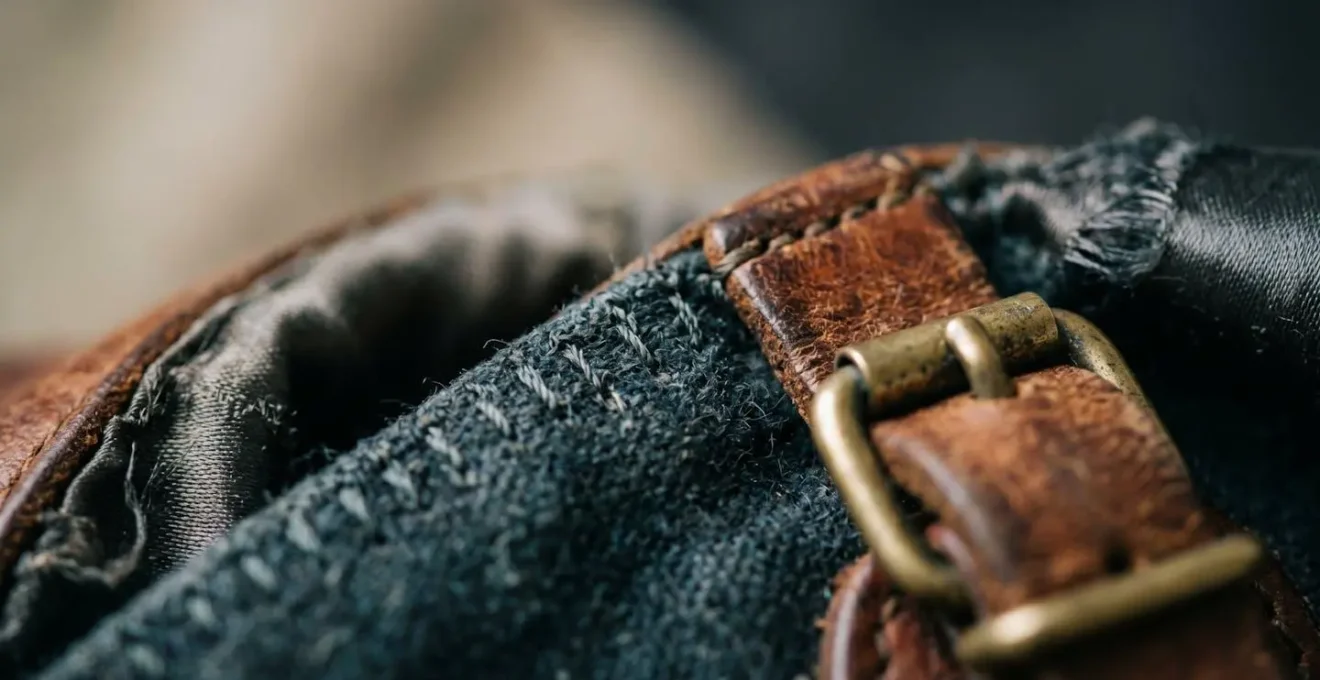
The quality of these pieces is what commands high prices. Collectors are not just buying a garment; they are acquiring a piece of history defined by its artisanal craftsmanship, material integrity, and innovative construction. Knowing when and where these pieces will surface is a crucial part of building a museum-quality collection.
Your Action Plan: Strategic Auction Calendar for Vintage Fashion Collectors
- Target June-July Paris Auctions: Focus on major Paris auction houses during summer haute couture week when high-net-worth clients are in the city for shows.
- Monitor December New York Sales: Position purchases during the holiday season when Christie’s and Sotheby’s curate year-end retrospectives.
- Watch for Post-Creative Director Exits: Look for curated sales 1-3 years after major designer departures (e.g., post-Phoebe Philo Céline) when legacy reassessment peaks.
- Align with Art Fair Timing: Sync your buying with Art Basel (June), Frieze (October), and TEFAF (March) when affluent collectors are in peak acquisition mode.
- Prioritize Single-Owner Collection Sales: Give precedence to estate sales of prominent collectors (e.g., the Collection of Audrey Hepburn) for the best provenance and curation.
Why Can Only 15 Houses Legally Call Themselves Haute Couture in Paris?
The term “Haute Couture” is often used casually to mean any high-end, handmade fashion. However, in France, it is not a marketing buzzword but a legally protected and highly exclusive designation, similar to an “appellation d’origine contrôlée” for wine or cheese. This legal status is fiercely guarded by the French government and the governing body of French fashion, the Fédération de la Haute Couture et de la Mode. Only a handful of houses that meet a stringent and exhaustive set of criteria are granted the right to use this title each year.
This exclusivity is by design, meant to preserve the art form’s integrity, craftsmanship, and status as a laboratory for fashion innovation. The number of official members is incredibly small; according to a January 2026 review, the official list includes only 13 houses holding the prestigious accreditation, such as Chanel, Dior, Givenchy, and Schiaparelli. This small circle of members is what separates true Haute Couture from other forms of luxury fashion.
To earn and maintain this status, a maison must adhere to a strict set of rules that are reviewed annually. These criteria ensure that each piece is not merely an expensive dress, but a work of art produced with unparalleled savoir-faire. The requirements are as follows:
- Atelier in Paris: The house must maintain a workshop (atelier) in Paris that employs at least 20 full-time technical staff.
- Made-to-Order for Private Clients: Garments must be designed on a made-to-order basis for private clients, involving one or more fittings to ensure a bespoke creation.
- Two Collections Per Year: The house must present two collections annually (in January and July) during Paris Haute Couture Week, each featuring a minimum of original designs for both day and evening wear.
- Handmade Craftsmanship: A predominant portion of the construction must be done by hand, utilizing traditional and superior artisanal techniques.
- Official Approval: The house must be granted designation by a special commission hosted by the French Ministry of Industry, with the approval needing renewal each season.
These rules ensure that Haute Couture remains the pinnacle of fashion, a realm of artistry and innovation far removed from commercial, ready-to-wear clothing.
Why Do Parisians Spend Less on Clothes but Look More Expensive Than Londoners?
The paradox of Parisian style is that it often looks far more expensive than it actually is. While a Londoner might chase seasonal trends with a higher turnover of clothes, the Parisian approach is rooted in a different kind of investment: strategic acquisition and the mastery of cost-per-wear mathematics. This philosophy prioritizes timeless quality over fleeting trends, a mindset now being adopted more widely, as a 2026 study shows that nearly 40% of Gen Z consumers now use resale platforms to incorporate luxury items, focusing on long-term value.
This “less is more” philosophy is perfectly encapsulated in the Parisian “third piece” formula. The idea is to elevate a simple, inexpensive base outfit—like a classic t-shirt and jeans—with a single, high-impact, high-quality accent piece. This third piece, whether it’s a perfectly cut blazer, a luxurious silk scarf, or a structured designer bag, does all the work, instantly creating a polished, intentional, and expensive-looking silhouette with minimal overall investment.
The Parisian ‘Third Piece’ Ecosystem
Parisians master this formula by leveraging a unique fashion ecosystem. First, they frequent dépôt-ventes, which are high-end consignment stores offering luxury pieces at a fraction of their original price. Second, they strategically shop during Les Soldes, the state-regulated biannual sales where deep, authentic discounts can be found. Finally, the culture of l’héritage familial—passing down quality items like Hermès scarves or classic trench coats through generations—means that many of their most valuable “third pieces” were acquired for free. This system prioritizes the acquisition of timeless classics and elevates cost-per-wear from a simple calculation to a cultural art form.
This strategic approach explains why a Parisian can spend less overall but appear more put-together. Their wardrobe is not a collection of disposable trends, but a curated library of high-impact pieces that stand the test of time. It’s an investment in style, not in clothing.
Key Takeaways
- Mixing brands is a philosophical clash, not just a logo issue; respect the unique DNA of each house.
- Haute Couture is a legally protected term in France, defined by strict rules of craftsmanship, not a marketing buzzword.
- True luxury investment lies in understanding creative eras and artisanal quality, not just fleeting trends.
Why Does “Couture” on a Label Mean Almost Nothing Outside 15 Specific Paris Ateliers?
Outside the protected borders of Paris, the word “couture” is stripped of its legal meaning and operates in a semantic void. Brands around the world freely use it as a marketing tool to evoke a sense of exclusivity, craftsmanship, and high price, but without being held to any of the stringent standards required for true Haute Couture. This has led to a significant dilution of the term, creating confusion for consumers who may believe they are buying into the same tradition as a Parisian maison.
A legal analysis from the Library of Congress puts it best, drawing a powerful and accurate analogy:
Haute Couture is legally protected in France like Champagne. Any sparkling wine can be made anywhere, but only that from the Champagne region can be called as such.
– Legal analysis, Library of Congress
This distinction is critical. When a brand like Juicy Couture or Ralph & Russo Couture uses the term, they are borrowing the prestige of Parisian craftsmanship without submitting to its rules. American “couture,” for example, typically refers to high-end, made-to-measure services for wealthy clients. While expensive and customized, it does not carry the same weight or adhere to the same legal obligations as its French counterpart. The mission is fundamentally different: one is a service for a client, the other is an art form subsidized to push the boundaries of fashion.
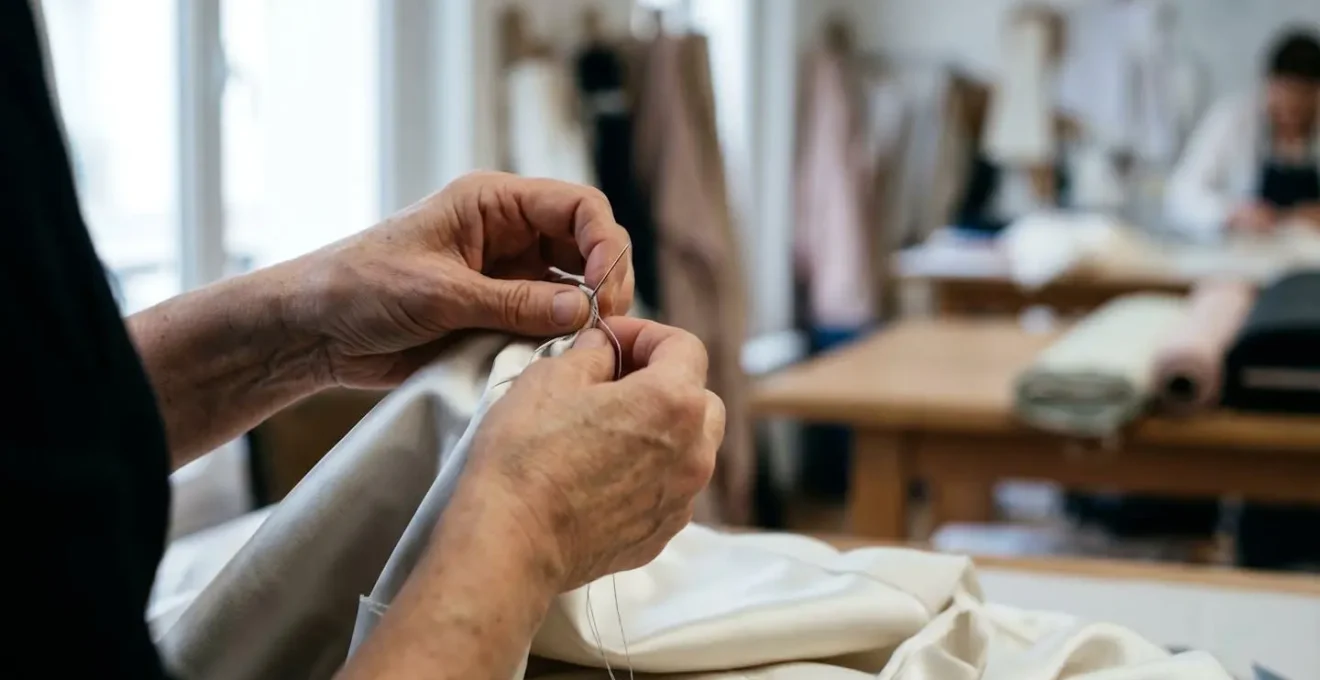
The problem lies in this global exploitation of the term. Brands can label a collection “couture” to justify a higher price point, banking on the consumer’s association of the word with unparalleled quality. However, without the Paris-based atelier, the mandated number of full-time artisans, the twice-yearly runway presentations, and the approval of the French Ministry of Industry, it is merely a label. For the discerning collector, understanding this distinction is paramount. It is the difference between buying a piece of clothing and acquiring a piece of legally certified art.
By learning to decode these signals—from the historical DNA of a maison to the legal definition of its craft—you can move beyond being a passive consumer and become an active and knowledgeable participant in the world of high fashion. The next step is to apply this critical eye to your own wardrobe and future acquisitions, choosing pieces not for the label they carry, but for the story and philosophy they represent.