The “Made in France” label is often a marketing tool, not an ethical guarantee, and a high price tag doesn’t equal a clean supply chain.
- Many brands claiming French heritage lack deep supply chain visibility, making it impossible to verify labour conditions or material origins.
- “Sustainable” collection drops can still use fast-fashion tactics like artificial scarcity to drive impulse consumption.
Recommendation: Stop trusting the label and start auditing the brand. Use the verification checklist in this guide to investigate a brand’s production claims before you invest.
For the conscious UK consumer, French fashion presents a compelling paradox. We are drawn to the promise of effortless Parisian style—timeless, high-quality pieces that seem to defy trends. Brands leverage this allure, marketing their products as “sustainable” investments, often with a premium price tag to match. The implicit contract is that by paying more, we are supporting better craftsmanship, ethical production, and a move away from the churn of fast fashion. But as auditors of the industry, we must ask the critical question: are we paying for ethical substance or simply for a beautifully packaged story?
The common advice to “buy less, buy better” and look for basic certifications is a starting point, but it’s no longer enough. The reality is that the “Made in France” designation can be misleading, and many brands’ transparency claims crumble under scrutiny. Vague terms like “designed in Paris” or “our partner workshops” often serve as a production alibi, masking complex global supply chains where ethical oversight is minimal. This gap between marketing and manufacturing reality leaves well-intentioned shoppers funding the very systems they seek to avoid.
This guide moves beyond the surface. Instead of taking claims at face value, we will provide you with an auditor’s toolkit. This is about supply chain forensics: learning how to dismantle a brand’s narrative, verify its claims, and distinguish genuine ethical commitment from clever greenwashing. We will dissect the “Made in France” label, compare the ethical performance of cult brands, and reveal the mindset that allows Parisians to look expensive while often spending less. The goal is to empower you to invest not just in a garment, but in a verifiable standard of integrity.
This article breaks down the complex world of French sustainable fashion into a clear, actionable framework. You will learn to identify red flags, verify production claims, and ultimately make choices that align your wardrobe with your values. Explore the sections below to begin your audit.
Contents: A Guide to Auditing French Fashion
- Why Does “Made in France” Not Automatically Mean Sustainable Production?
- How to Check if a French Brand Actually Makes Their Clothes Where They Claim?
- Sézane or Veja: Which French Sustainable Brand Actually Delivers on Ethics for Capsule Wardrobes?
- The Sustainability Claim That 70% of French Fashion Brands Cannot Actually Verify
- When Do French Sustainable Brands Release New Collections Without Feeding Fast Fashion Cycles?
- How to Verify a “Made in France” Claim Before Completing Your Online Purchase?
- Why Do Parisians Spend Less on Clothes but Look More Expensive Than Londoners?
- Why Does Copying Parisian Outfits Exactly Make You Look Like a Tourist Rather Than a Local?
Why Does “Made in France” Not Automatically Mean Sustainable Production?
The “Made in France” label is one of the most powerful marketing tools in fashion, evoking images of skilled artisans in Parisian ateliers. For many UK shoppers, it acts as a mental shortcut for quality, ethics, and sustainability. However, the legal reality behind this label is far less romantic and is a primary source of consumer confusion. In fact, a recent study revealed that only 1 in 2 French consumers can differentiate between various origin labels, highlighting a significant gap between perception and regulation.
The core of the issue lies in the definition of “origin.” A brand does not need to source its raw materials or perform every manufacturing step in France to use the label. The legal requirement is surprisingly flexible. As Valérie Brochet, a French customs official, clarifies, the criteria are based on a specific customs notion:
It only needs to comply with current regulations, based on the customs notion of non-preferential origin. In concrete terms, the product’s last substantial transformation or processing must take place in France.
– Valérie Brochet, Head of the Trade Policy Section at DGDDI
This “last substantial transformation” could be something as simple as assembling components that were manufactured in different countries with vastly different labour and environmental standards. A shirt’s fabric could be woven in one country, dyed in another, and cut in a third, with only the final stitching done in France. While technically compliant, this process offers no guarantee of ethical sourcing or a low carbon footprint for the entire supply chain. The label becomes a veil, concealing the global journey of a garment and its true impact.
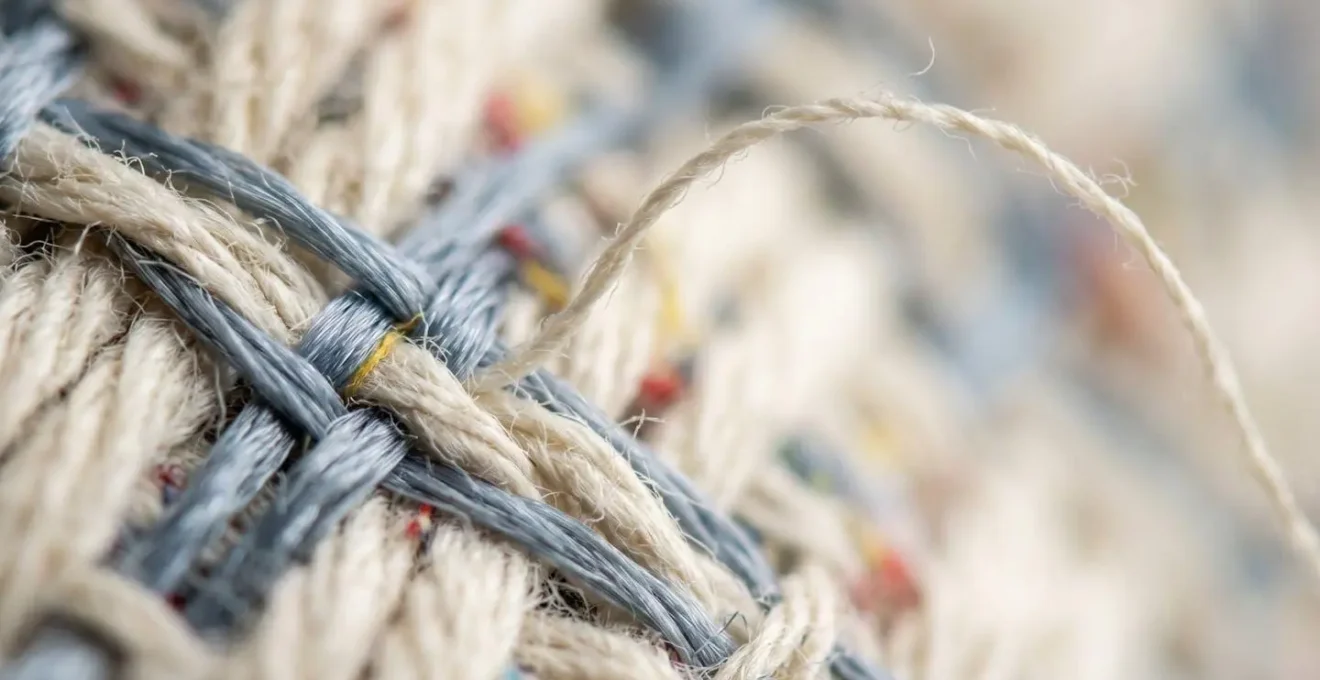
As this image suggests, the simple surface of a fabric hides a complex web of origins. The label tells you where the garment was finished, but it says nothing about the journey of each fibre. This distinction is the first crucial step in performing your own supply chain forensics and moving beyond marketing narratives to understand what you are actually buying.
How to Check if a French Brand Actually Makes Their Clothes Where They Claim?
Given that the “Made in France” label can be a smokescreen, the diligent consumer must become a digital detective. Verifying a brand’s manufacturing claims requires moving beyond the curated product page and digging for concrete evidence. This is not about cynicism; it’s about demanding the transparency that a premium price should command. The growing need for clarity is reflected in official data, which shows that requests for customs support to secure ‘Made in France’ claims jumped by 254% between 2017 and 2022, indicating that brands themselves are navigating these complex rules.
As an auditor, your task is to find the “ledger” behind the label. Transparent brands make this easy by providing names, addresses, and even photos of their manufacturing partners. Vague brands, however, often use evasive language that serves as a production alibi. Phrases like “ethically sourced,” “our family of suppliers,” or “designed in our Paris studio” mean nothing without verifiable proof of factory locations and labour practices. Your investigation should focus on finding tangible data points, not aspirational marketing copy.
To conduct your own supply chain forensics, follow these methodical steps:
- Go Beyond the Homepage: Navigate to dedicated ‘Our Ateliers’, ‘Transparency’, or ‘Production’ sections. Red flags include the use of generic terms like ‘our partner workshops’ without specific names or locations. A truly transparent brand will name its factories.
- Verify the Business Registration: Locate the brand’s SIRET number (their French business identifier) on their legal page (‘Mentions Légales’). Use free services like Societe.com or Infogreffe to check if their official activity code (Code NAF) includes ‘fabrication’ (manufacturing) or if it’s purely ‘commerce de détail’ (retail).
- Scrutinise Social Media: Look for genuine, identifiable photos or videos of artisans and factories on the brand’s social media. Perform a reverse image search on any workshop photos to ensure they are not stock images or content borrowed from another company’s website.
- Contact Customer Service Directly: This is a key test. Email them with a direct question: ‘Could you please tell me the name and address of the factory where [specific garment name] was manufactured?’ An evasive or non-existent answer is a major indicator of a transparency gap.
A brand that is genuinely proud of its production partners will be open to answering these questions. Hesitation or deflection suggests that the story they are selling may not align with the reality of their operations.
Sézane or Veja: Which French Sustainable Brand Actually Delivers on Ethics for Capsule Wardrobes?
When seeking to build a sustainable capsule wardrobe, UK shoppers are often faced with a choice between two types of French brands: those with an aspirational, chic aesthetic like Sézane, and those with a clear, activism-led mission like Veja. Both command premium prices, but an auditor’s analysis reveals a significant difference in their level of ethical substance and supply chain transparency.
Case Study 1: Sézane – The Polished Façade with Gaps
Sézane is a B Corp certified brand that has built a cult following with its romantic Parisian aesthetic. The brand publishes annual sustainability reports and promotes its use of eco-friendly materials. However, a closer look reveals significant transparency gaps. According to its own 2022 report, Sézane had only achieved 55% traceability in its Tier 3 suppliers (raw material sources) and 95% in Tier 2 (fabric mills). Independent rating platform Good On You gives the brand an ‘It’s a Start’ rating, pointing to a lack of evidence for eliminating hazardous chemicals and protecting biodiversity. While Sézane’s efforts are a step in the right direction, its traceability is incomplete, leaving key parts of its supply chain unaudited and unverified.
Case Study 2: Veja – Radical Transparency from the Ground Up
In contrast, Veja built its entire model on radical transparency. The brand traces its raw materials directly to the source, using organic cotton from specific farming cooperatives in Peru and Brazil and wild Amazonian rubber from identified communities of tappers. Veja publishes the locations of its factories and has been lauded for its fair-trade practices, such as paying producers up to 50% upfront for harvests and ensuring a living wage for factory workers. Good On You awards Veja a ‘Great’ rating for its labour practices. This “ledger over label” approach provides consumers with verifiable proof that the higher price point directly contributes to better social and environmental outcomes.
This comparison highlights a critical lesson for the conscious consumer. A B Corp certification and polished sustainability reports are positive signals, but they are not a substitute for full supply chain traceability. Sézane represents a brand that is improving but still has blind spots, while Veja demonstrates a model where ethics are not an add-on but the foundational structure.
Ultimately, the choice for a capsule wardrobe depends on your personal standards. Are you comfortable with ‘It’s a Start,’ or do you demand the verifiable ‘Great’ rating? The truly sustainable choice is the one where the brand provides you with enough data to make an informed decision, rather than asking you to trust in a beautiful story.
The Sustainability Claim That 70% of French Fashion Brands Cannot Actually Verify
While the title is a provocation, the underlying truth is stark: a vast majority of fashion brands, including many in France, cannot fully verify the sustainability of their own products because they lack visibility into their complete supply chain. The claim in question is any assertion of “sustainability” that requires tracing a product back to its raw material. This is the weak link in the chain for most of the industry. The State of Fashion 2024 report found that only 19% of companies in the fashion industry have visibility over their value chain, and even that is often partial.
This lack of visibility makes comprehensive ethical claims nearly impossible to substantiate. A brand might know its Tier 1 supplier (the factory that assembles the final garment) but be completely unaware of the conditions at the Tier 2 fabric mill or the Tier 3 cotton farm. This complexity is the core of the problem, as explained by an industry expert:
For a product as simple as a cotton tee-shirt, there can be as many as 10 organizations involved, from cotton cultivation to retail, including traders. To be able to prove the sustainability of their products, brands need to be able to trace the entire value chain of certified materials.
– Amit Gautam, CEO of TextileGenesis
This is where the “70%” figure in the title finds its true meaning. It doesn’t represent the percentage of brands making false claims, but rather the percentage of consumers who are ready to reward the few who can prove them. Studies consistently show that over 70% of consumers are willing to pay a premium for products when supply chains are transparent and ethical. There is a clear market demand for verifiable traceability, yet the industry has been slow to provide it.
This creates a significant opportunity for both consumers and brands. As a consumer, your most powerful tool is to demand this traceability. When brands cannot answer where their cotton was grown or who dyed their fabric, it’s not because they are necessarily hiding something nefarious; often, they simply do not know. By asking these difficult questions, you push brands to invest in the systems and relationships needed to map their own supply chains, turning consumer demand into a driver for industry-wide change.
When Do French Sustainable Brands Release New Collections Without Feeding Fast Fashion Cycles?
One of the most complex areas to audit in sustainable fashion is a brand’s production model. The traditional fashion calendar of two to four seasons per year is being challenged by a “drop” model, where new items are released in small batches much more frequently. While this can be a strategy to minimise overproduction, it can also subtly mimic the addictive cycle of fast fashion, creating artificial scarcity and a fear of missing out (FOMO) that drives impulse purchases.
Sézane is a prime example of this nuanced approach. The brand has built its business on a model of four main collections supplemented by smaller, weekly capsule drops. It produces styles in limited quantities, which reduces the risk of unsold inventory and the need for heavy discounting. In its official communications, the brand emphasizes this as a cornerstone of its responsible approach, stating:
“We’re a brand based on responsible stock volumes, in keeping with a lean production model. There is no overproduction, flash sales, excess inventory, or destruction, only our archives twice a year to give every piece from our collections a second life.”
On the surface, this sounds ideal. By avoiding overproduction and sales, Sézane positions itself as an antithesis to fast fashion. However, critics and auditors point out that this very model can fuel a different kind of overconsumption. The constant stream of “newness” and the “sold out” status of popular items create a sense of urgency. Consumers may feel pressured to buy immediately, without the thoughtful consideration that defines truly sustainable purchasing. This creates a consumption paradox: the brand’s production is sustainable (less waste), but the consumer behaviour it encourages can be frenetic and unsustainable.
A truly slow-fashion brand, in contrast, typically releases collections far less frequently—often just twice a year. Their focus is on core, seasonless items that are restocked, rather than replaced. When auditing a brand’s release schedule, the key questions are: Does the brand’s communication create a sense of panic or calm? Are they encouraging you to buy now or to invest thoughtfully? Does their model rely on a constant influx of new designs, or on the enduring appeal of a consistent collection?
How to Verify a “Made in France” Claim Before Completing Your Online Purchase?
The moment before you click “Complete Purchase” is your point of maximum leverage as a consumer-auditor. It’s here that you must transition from being an admirer of a product to a critical investigator of its origins. Fortunately, increasing legal pressure is making this task easier. France’s AGEC law, for example, is ushering in an era of mandatory transparency. By 2025, many companies will be required to provide detailed environmental labelling, including information on recycled content, traceability, and microplastic risks, giving you more data to work with.
However, you don’t have to wait for legislation to take full effect. You can apply a rigorous pre-purchase verification process right now. This involves looking for specific language, consulting third-party sources, and examining the brand’s logistical operations. A brand’s website is a curated environment; your job is to look for the uncurated facts that reveal the truth behind the marketing. This checklist provides a systematic way to conduct that final audit.
Your Pre-Purchase Audit Checklist: Made in France Claims
- Scrutinise Legal Language: Check the product description for precise wording. Look for ‘Country of Origin: France’ or a specific factory name. Be wary of evasive marketing phrases like ‘Designed in Paris’, ‘French-inspired’, or ‘Shipped from our French atelier’.
- Cross-Reference with Third Parties: Before you commit, check the brand’s rating on independent platforms like Good On You, Clear Fashion, or the B Corp directory. Let external audits and certifications (or lack thereof) inform your perspective away from the brand’s own marketing.
- Look for a Digital Product Passport: Investigate if the brand offers a ‘product passport’ or QR code initiative. This emerging technology allows you to scan a code on the garment to view its entire production journey, environmental scores, and material origins.
- Investigate Shipping & Returns: Examine the brand’s ‘Shipping & Returns’ page. If returns are directed to a massive logistics hub outside of France (e.g., in Poland or Germany), it raises questions about the scale and authenticity of their claimed French production. Small-scale French manufacturing would likely handle returns locally.
- Assess Overall Transparency: Does the brand’s website have a detailed, easily accessible section on its supply chain, factory partners, and material sourcing? A lack of a dedicated, in-depth transparency section is a significant red flag in itself.
This final check is your safeguard against greenwashing. If a brand fails on multiple points of this checklist, it’s a strong signal that its price tag may not be justified by genuine ethical and sustainable practices. A truly transparent brand will pass this audit with ease.
Key Takeaways
- The “Made in France” label only refers to the last substantial transformation, not the entire supply chain, making it an unreliable indicator of ethical production.
- True brand transparency is proven by specific factory names and locations, not vague marketing terms like “partner workshops.” Audit this before you buy.
- The Parisian style philosophy is rooted in “cost-per-wear” and wardrobe longevity, not in accumulating expensive, trendy items.
Why Do Parisians Spend Less on Clothes but Look More Expensive Than Londoners?
The concept of “Parisian style” is often misunderstood by outsiders, particularly in trend-driven markets like London. The perception is that Parisians spend a fortune to achieve their chic, put-together look. The reality, however, is often the opposite. The secret lies not in the amount of money spent, but in a deeply ingrained cultural philosophy centred on cost-per-wear and wardrobe longevity. This mindset is fundamentally sustainable and is the true engine behind their elegant minimalism.
This approach is built on a simple but powerful observation, as articulated by French designer Justine Leconte: most people only use a small fraction of their wardrobe regularly. The Parisian strategy is to focus intensely on that fraction. Instead of buying multiple trendy items from fast-fashion retailers, the focus is on acquiring one or two high-quality, timeless pieces per season that will be worn for years. A higher upfront cost is seen as an investment, because if a €300 coat is worn 300 times over a decade, its cost-per-wear is just €1—far more economical than a €60 trendy jacket worn only a handful of times.
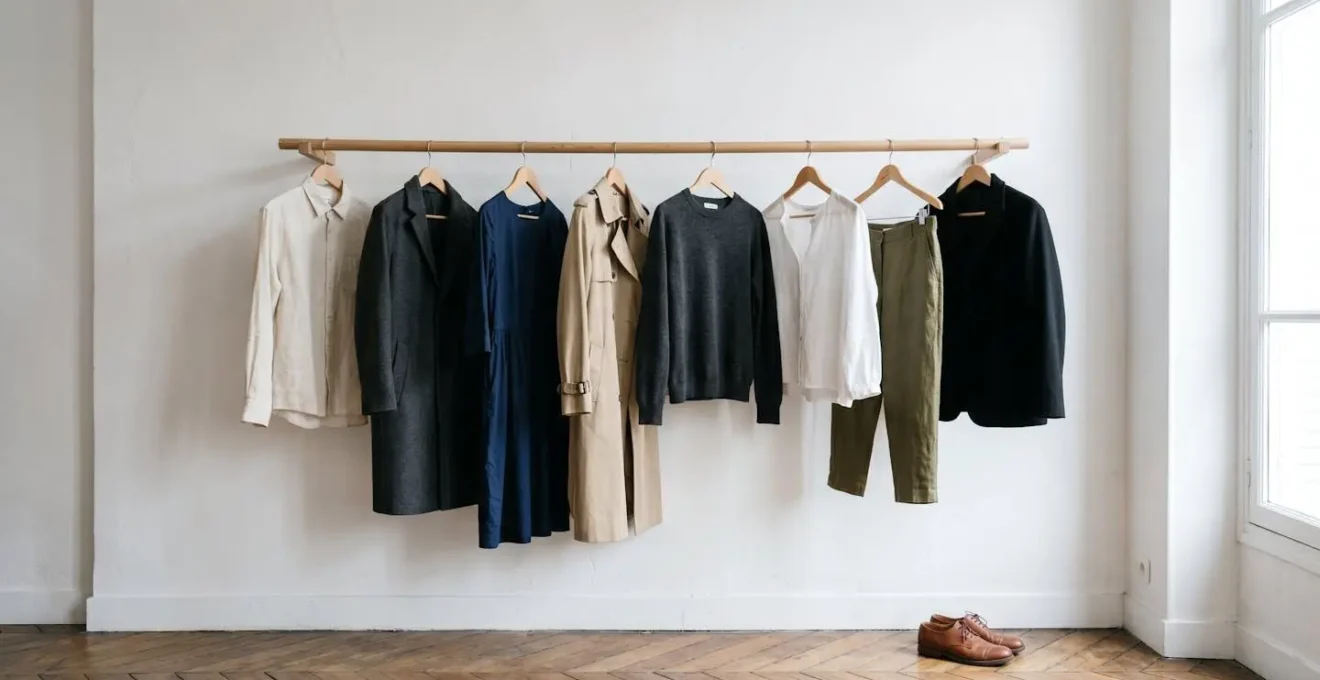
This philosophy explains the “Parisian Paradox”: looking expensive is achieved by owning fewer, better things. Their wardrobes are curated, not cluttered. There is a cultural belief, supported by surveys showing that 82% of French people associate ‘Made in France’ with quality, that investing in well-made items pays off. This contrasts with a consumption culture that prioritises quantity and newness, where wardrobes are constantly in flux. The expensive “look” comes from the quality of the fabric, the precision of the cut, and the confidence of wearing something you truly love and have invested in, rather than the fleeting novelty of a new trend.
For a UK consumer looking to emulate this, the lesson is to shift focus from “how much does it cost?” to “how many times will I wear it?”. It requires patience and a willingness to save for investment pieces, but the result is a more sustainable, more economical, and ultimately more elegant wardrobe.
Why Does Copying Parisian Outfits Exactly Make You Look Like a Tourist Rather Than a Local?
Many style guides offer a “Parisian uniform” checklist: the Breton top, the trench coat, the ballet flats, the silk scarf. While these are indeed staples, simply assembling them often results in a look that feels more like a costume than an authentic expression of style. This is because Parisian elegance is not about a specific set of items, but about an underlying philosophy of simplicity, confidence, and personal interpretation. As Coco Chanel famously stated, “Simplicity is the keynote of all true elegance.”
The tourist “uniform” fails because it is an imitation without understanding. A true Parisian doesn’t wear all the clichés at once. Instead, she builds her wardrobe around a core of timeless, versatile, and high-quality pieces. This is a fundamentally sustainable practice, as it’s based on longevity, not novelty.
The Philosophy of Wardrobe Longevity
According to Parisian author Marissa Cox, the authentic approach involves creating a foundation with pieces like a perfect white shirt, high-waisted straight-leg jeans, and an oversized black blazer. These items remain stylish precisely because of their simplicity. The look is then updated by “cherry-picking” just one or two more current pieces each season. A classic trench coat might be paired with a trendier shoe, or a simple dress elevated with a modern piece of jewellery. This “less is more” sentiment means investing in quality that lasts and resisting the urge to overhaul an entire wardrobe. The goal is to evolve your personal style, not to adopt a new one every six months.
The difference between the local and the tourist is in the application. The tourist wears the “idea” of a Parisian outfit. The local lives in her clothes. Her style is a reflection of her life, with comfort and practicality being just as important as aesthetics. The elegance comes from the confidence of wearing well-made clothes that fit perfectly and have been a part of her life for years, not from perfectly replicating a look from a magazine. It is in its effortlessness and personal touch that the style becomes timeless and, in today’s climate, truly sustainable.
Your next purchase is an opportunity to move beyond aspirational marketing and invest in true ethical substance. By applying this auditor’s mindset, you can build a wardrobe that is not only stylish and sustainable, but also verifiably aligned with your values. Start your audit today.