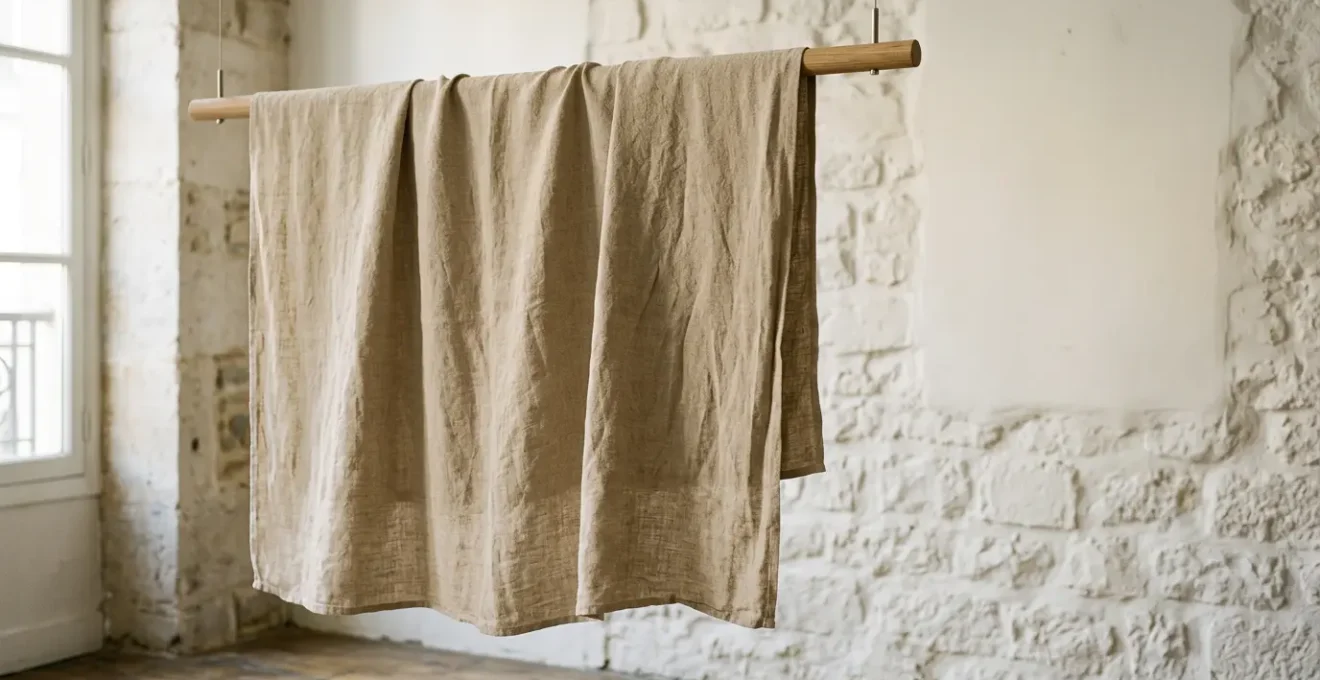
The secret to Parisian linen elegance isn’t embracing random wrinkles; it’s a technical system of controlling the fabric’s properties.
- The perceived “effortlessness” comes from deliberate choices in fabric weight (GSM), precise care techniques, and strategic styling.
- Directly copying a Parisian outfit fails in the UK because it ignores the crucial context of climate, light, and local culture.
Recommendation: Stop trying to avoid wrinkles and start managing them. Focus on buying the right weight of linen for the UK season and use targeted steaming on key areas like collars and cuffs to signal intention.
You’ve invested in a beautiful French linen shirt. You pictured yourself exuding that quintessential Parisian chic—a look of relaxed, confident elegance. Yet, when you wear it for a day in London, the reality is less ‘rive gauche’ and more ‘slept-in’. The soft, lived-in rumple you admired on others has become a map of harsh, unflattering creases on you. It’s a common frustration that leaves many UK professionals feeling that the effortless look is simply unattainable.
The internet is full of well-meaning but unhelpful advice. “Embrace the wrinkles,” they say. “Linen is a summer fabric.” This guidance fails to address the core problem: the chasm between the ideal and the reality. It ignores the fundamental differences in climate, light, and even the pace of life between a sun-drenched Parisian terrace and a damp morning commute on the Tube. The belief that Parisian style is an innate, magical quality is the biggest myth of all.
But what if the key to unlocking linen’s elegance wasn’t about a certain attitude, but a specific technique? The truth is, the effortless look is anything but. It is the result of a deliberate, technical system. It is a series of conscious decisions about fabric science, meticulous care rituals, and an astute understanding of environmental context. This is not about trying harder; it’s about being smarter.
This guide will deconstruct that system for you. We will move beyond the clichés and delve into the tangible physics of the fabric, the precise laundry settings that preserve its integrity, and the sartorial rules for adapting this iconic style to a British wardrobe. You will learn to see linen not as a rebellious fabric to be tamed, but as a high-performance material to be engineered for elegance.
To navigate this deep dive into the art and science of French linen, the following guide breaks down every critical component. From understanding the fabric’s very structure to mastering the final stylistic touches, each section builds upon the last to provide a complete system for achieving intentional elegance.
Summary: Deconstructing the Effortless French Linen Look
- Why Does Some French Linen Keep You Warm While Other Types Leave You Freezing?
- How to Wear French Linen to Work Without Looking Like You Slept in Your Clothes?
- Normandy or Brittany Linen: Which French Region Produces the Most Durable Fabric?
- The Washing Machine Setting That Destroys French Linen After Just 3 Washes
- When Should You Start Wearing Linen in the UK Without Looking Seasonally Confused?
- Why Do Parisians Spend Less on Clothes but Look More Expensive Than Londoners?
- How to Check if a French Brand Actually Makes Their Clothes Where They Claim?
- Why Does Copying Parisian Outfits Exactly Make You Look Like a Tourist Rather Than a Local?
Why Does Some French Linen Keep You Warm While Other Types Leave You Freezing?
The thermal behaviour of linen is not a mystery; it is a direct function of its physical structure, specifically its weight and weave density. Thinking of fabric as architecture is the first step to mastering it. The weight of linen is measured in grams per square metre (GSM), and this single metric determines its suitability for a hot summer day or a cool transitional season. A lower GSM indicates a lighter, more open weave that allows for maximum airflow, creating a cooling effect. Conversely, a higher GSM means the fabric is more densely woven, trapping a thin layer of air against the skin that provides surprising insulation.
Understanding this technical specification is crucial for building a versatile linen wardrobe. According to textile manufacturing standards, common ranges vary significantly by application. Lightweight wearables, ideal for peak summer, typically fall between 100-150 GSM. These are your breezy shirts and sundresses. Medium-weight textiles, around 180-250 GSM, offer more structure and are perfect for trousers, blazers, and pieces intended for spring and autumn layering in the UK. Heavyweight linen, over 300 GSM, is reserved for outerwear and home textiles.
The visual difference between these weights is subtle but significant. The illustration below reveals the intricate structure of the linen weave, showing how density impacts the fabric’s texture and performance.
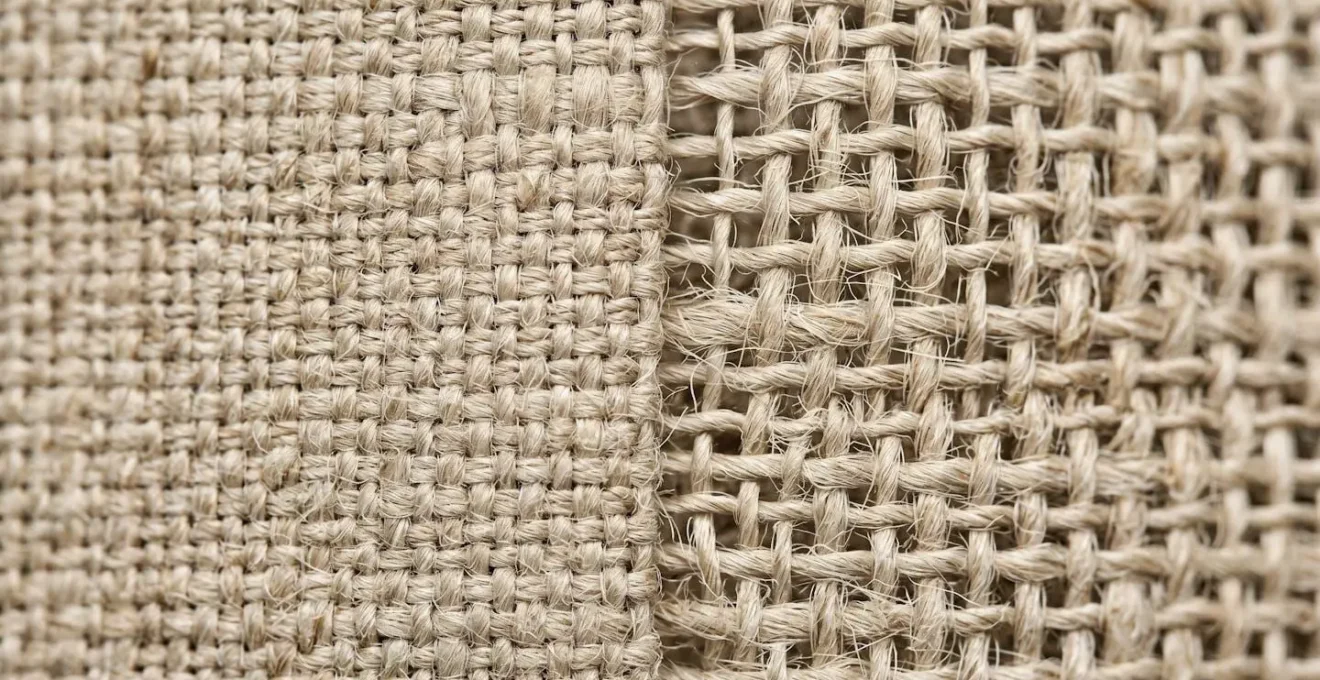
As the image demonstrates, a denser weave (higher GSM) has fewer and smaller gaps between the threads, which is key to its insulating properties. For a UK wardrobe, a mid-weight linen of around 150-200 GSM is the most versatile starting point. It possesses enough body to drape elegantly without clinging, and it provides comfort across a wider range of temperatures than the ultra-lightweight versions designed for the Mediterranean heat. Choosing the right architecture is the foundation of linen’s functionality.
How to Wear French Linen to Work Without Looking Like You Slept in Your Clothes?
The most common mistake in wearing linen is to adopt an all-or-nothing approach to wrinkles. The goal is not a perfectly pressed, static garment, nor is it a completely crumpled mess. The Parisian secret lies in achieving “intentional imperfection.” This is the art of managing wrinkles strategically to signal that your appearance is a deliberate choice, not an accident. It’s about looking relaxed, not dishevelled. As the experts at Dress Like a Parisian note, one must understand the fabric’s soul before styling it.
Folds are part of its nature and you shall embrace them
– Dress Like a Parisian – Personal Shopper Paris, How to wear linen? Guide by Parisian Style Expert
Embracing its nature, however, does not mean surrendering control. The key is to create a contrast between sharp, clean lines in high-visibility zones and a soft, natural texture elsewhere. Your collar, cuffs, and the front placket of your shirt are the areas that frame your face and communicate professionalism. If these areas are crisp, the gentle rumpling on the sleeves or torso is perceived as a feature of the fabric’s luxurious character. If the collar is collapsed and the placket is puckered, the entire look reads as sloppy.
This doesn’t require a time-consuming session with an iron. A handheld steamer is your most powerful tool for achieving this balance in minutes. By focusing the steam only where it matters, you preserve the chic, lived-in quality of the linen while ensuring you look polished and put-together for the office.
Action Plan: The 5-Minute Steaming Technique for a Professional Appearance
- Strategic Targeting: Focus the steamer exclusively on high-visibility zones. The most critical areas are the collar, the cuffs, and the button placket, as these are where sharp creases project an image of being unprofessional.
- Perfect the Technique: Hold the steamer 2-3 inches away from the fabric. Use gentle, continuous downward strokes. This is not about pressing; it’s about relaxing the fibers just enough to remove harsh folds from sitting or packing.
- Optimal Timing: For maximum effectiveness, perform this technique in under five minutes just before you leave for work. The process works best on fabric that is completely dry or only very slightly damp.
- Define the Goal: The objective is to remove severe creases while allowing the main body of the garment to retain its natural, soft texture. This preserves the effortless French aesthetic, which is defined by a lived-in rumple, not sharp, ironed lines.
Normandy or Brittany Linen: Which French Region Produces the Most Durable Fabric?
While the rolling flax fields of Normandy and Brittany are iconic, the question of which region produces more durable linen is a red herring. The durability and quality of linen fabric are not determined by the specific French region, but by a far more crucial factor: the length of the flax fibers used to create the yarn. High-quality, durable linen is always made from long-staple fibers. Cheaper, less resilient linen is made from short-staple fibers, which are often leftovers from the processing of premium flax.
Long-staple fibers can be spun into a smoother, stronger, and more uniform yarn. This results in a fabric that is not only more resistant to pilling and tearing but also becomes softer and more lustrous with each wash. Short-staple fibers, by contrast, create a coarser yarn with more weak points. The ends of these short fibers tend to poke out from the fabric surface, leading to a rougher texture and a garment that wears out much faster. Therefore, the savvy buyer’s focus should be on identifying the signs of long-staple linen, not on a brand’s regional marketing claims.
Since you cannot measure the fibers yourself, you must become adept at a quick visual and tactile assessment. Certain tell-tale signs on the shop floor can reveal the underlying quality of the fiber. Learning to spot these indicators is more valuable than any label that simply says “French Linen.” Look for a smooth surface, minimal imperfections, and a subtle sheen, which are all hallmarks of a well-made textile crafted from superior raw materials.
Ultimately, a garment made from long-staple Belgian flax will vastly outperform one made from short-staple French flax. The key is to train your eye and hand to recognise the markers of quality, empowering you to invest in pieces that offer true longevity and improve with age. The following points provide a practical guide for your next purchase.
- Surface Smoothness: High-quality, long-staple linen will display a more refined and smoother surface. It should have fewer visible irregularities or fuzzy fibres.
- Slub Count and Size: Slubs are the small, natural knots in the yarn. Premium linen should have fewer, finer slubs. An excess of large, coarse slubs is a clear indicator of shorter, lower-quality fibres.
- Subtle Lustre: When held at an angle to the light, the best long-staple linen exhibits a gentle, natural sheen. This lustre is a sign of the fiber’s health and integrity.
- Hand Feel: Quality linen should feel substantial yet supple and soft against the skin. It should not feel overly coarse, stiff, or scratchy, which suggests a reliance on shorter fibers or harsh chemical finishing.
The Washing Machine Setting That Destroys French Linen After Just 3 Washes
The longevity of a beautiful linen garment is not decided in the wearing, but in the washing. The single most destructive force for this natural fiber is a combination of excessive heat and aggressive mechanical action. A modern washing machine, set incorrectly, can subject linen to a trio of damaging conditions: high temperatures that risk shrinkage, harsh detergents that strip the fibers, and high spin speeds that cause irreversible abrasion. The most common culprit is a standard “cotton” cycle, which often combines all three.
Specifically, a spin cycle above 800 RPM acts like sandpaper on the delicate flax fibers. This intense friction causes pilling and creates micro-tears that lead to premature wear. The second enemy is heat. For the initial wash of a new garment, textile care experts advise that washing in lukewarm water or using a machine setting below 40°C is essential to temper the fibers and control natural shrinkage, which can be as much as 3-10%. High heat from a tumble dryer is equally damaging, as it “bakes in” sharp wrinkles and makes the fibers brittle and prone to breaking.
The final element is your choice of detergent. Powder detergents can leave behind a mineral residue that stiffens the fabric, destroying its soft drape. Always opt for a gentle liquid detergent designed for delicates. For those in London and the South East of the UK, where the water is particularly hard, mineral buildup is a significant issue. This can make linen feel stiff and brittle over time. The simple, effective solution is to add a capful of white vinegar to the final rinse cycle to dissolve these deposits and restore the fabric’s natural suppleness.
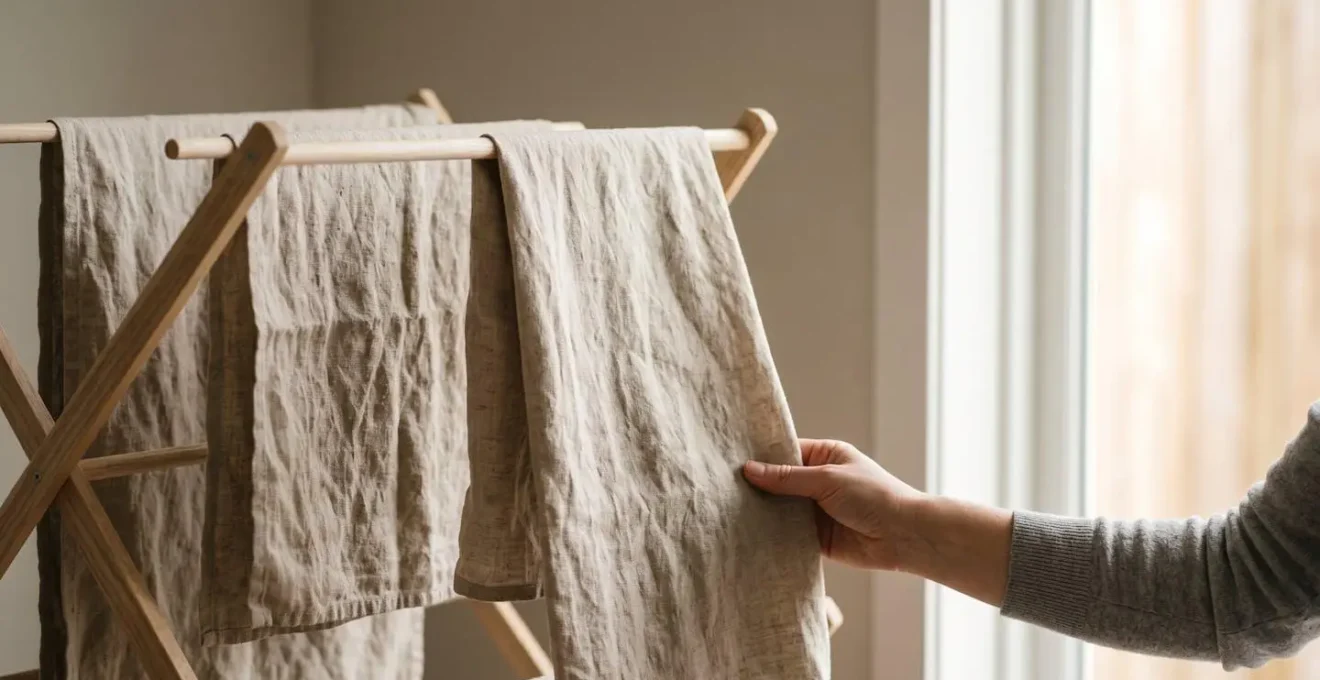
The ideal care routine is gentle and prioritises protecting the fiber’s integrity. Washing on a delicate cycle with cool water, using a mild liquid detergent, and allowing the garment to air-dry will not only extend its life but enhance its natural character, ensuring it becomes softer and more beautiful with every wear. This careful maintenance is a non-negotiable part of the Parisian approach.
When Should You Start Wearing Linen in the UK Without Looking Seasonally Confused?
One of the biggest giveaways of a style that has been copied rather than adapted is seasonal dissonance. Wearing a lightweight, white linen dress on a grey, 12°C day in April immediately looks out of place in London, no matter how chic it might seem in a photo from the South of France. The key to wearing linen authentically in the UK is contextual harmony—aligning your fabric choices with the British climate and its specific seasonal transitions. This requires a more nuanced approach than a simple “summer only” rule.
A practical guideline to follow is the 15-Degree Rule. As a general principle, wait until the daytime temperature consistently reaches 15°C (59°F) or higher before introducing your lighter-weight linen pieces. Below this threshold, linen can look and feel uncomfortably cold, marking you as someone who is dressing for an imagined season rather than the real one. This rule provides a simple, data-driven check against looking seasonally confused.
However, this doesn’t mean linen is off-limits for half the year. The secret is to think in terms of layering and colour palette. Heavier-weight linen trousers in dark, transitional colours like navy, charcoal, or khaki can be worn as early as April, especially when paired with weather-appropriate textures like cashmere knits, wool blazers, and leather boots. The iconic white linen shirt should be reserved for later in the season, making its debut in June when the light is brighter and the air is warmer. Think of your linen wardrobe as a collection to be gradually unveiled, not something to be switched on all at once.
This gradual integration ensures your style evolves in sync with the environment. By September, as autumn approaches, you can continue wearing linen shirts, but styled as a layering piece under a classic trench coat or a leather jacket, paired with denim and ankle boots. This approach demonstrates a sophisticated understanding of both fabric and climate.
- April-May (Transitional Spring): Introduce dark linen trousers (navy, charcoal) paired with cashmere or wool. Avoid whites and pastels.
- June (Early Summer): The white linen shirt makes its debut. Pair it with straight-leg jeans and transitional footwear like loafers or ballet flats.
- July-August (Peak Summer): This is the time for full linen commitment. Embrace dresses, co-ord sets, and wide-leg trousers in white, beige, and pastel shades.
- September (Early Autumn): The final month for linen shirts, but only as a layer under trench coats or jackets. Switch back to denim and boots.
Why Do Parisians Spend Less on Clothes but Look More Expensive Than Londoners?
The perception that Parisians look more expensive is rooted in a fundamentally different philosophy of dress: a disciplined focus on cost-per-wear investment over trend-driven consumption. This is not just a cultural trope; it’s backed by data. While fast fashion cycles accelerate in many parts of the world, French consumers are actively pulling back. During the first half of 2024, the French population reduced its spending on fashion by 38%, a figure significantly higher than the European average. This reduction reflects a long-term mindset where quality and longevity are prioritized over quantity.
This philosophy manifests in several key practices. The first is a rigorous adherence to buying fewer, better things. A Parisian stylist would argue it is far more economical to invest £200 in a perfectly-cut linen blazer that will be worn over 100 times (costing £2 per wear) than to buy five £40 trend-led items from a fast-fashion retailer that will be discarded after a single season (costing £8 per wear). This simple calculation is the bedrock of the “expensive” look, which is built on the impeccable fit and superior drape of high-quality materials.
The second principle is the cultivation of a personal uniform. Instead of chasing a constant stream of newness, the focus is on building a signature look from a tight rotation of perfectly fitting, high-quality basics. This creates a strong, consistent style identity that always appears intentional. Finally, alterations are not seen as a luxury but a necessity. A tailor is a crucial partner in this system. An £80 pair of trousers that has been professionally altered to fit perfectly can easily appear to cost £300, simply because it hangs flawlessly on the body. It is this combination of strategic restraint, a focus on fit, and a long-term view on value that creates an aura of expense, regardless of the actual price tag.
This disciplined approach stands in contrast to a volume-based wardrobe, where an abundance of mediocre items can paradoxically make an outfit look less considered and therefore less valuable. The Parisian method proves that true style is about curation, not accumulation.
How to Check if a French Brand Actually Makes Their Clothes Where They Claim?
In the globalised fashion market, the “Made in France” label has become a complex and often misleading term. Developing label literacy is the only way to cut through the marketing noise and verify a brand’s claims of origin and quality. Many consumers are surprised to learn that a “Made in France” tag can legally be applied to a garment that was merely assembled in France, even if the fabric was woven and the yarn was spun in the Far East from non-European flax.
Marketing phrases like “Designed in Paris” or “French Fabric” are even less reliable, carrying no legal weight. These often indicate that only the design work took place in France, with the entire manufacturing process outsourced to regions with lower labour costs. The most reliable way to ensure authenticity is to look for independent, audited certifications. Two certifications from the Alliance for European Flax-Linen & Hemp are the gold standard in the industry. As of December 2025, the organization confirms that Masters of LINEN™ counted 38 certified companies across Europe, highlighting the exclusivity of this standard.
Understanding these certifications is key:
- European Flax™: This certification guarantees traceability for premium flax fibers that were grown and scutched (the process of separating the fiber from the stem) in Western Europe, primarily France, Belgium, and the Netherlands. This is a guarantee of the raw material’s origin.
- Masters of LINEN™: This is the most comprehensive certification. It is an audited guarantee that every step of the process—from flax cultivation and fiber processing to yarn spinning and fabric weaving—was completed by certified European companies. A garment carrying this tag represents 100% European traceability from field to fabric.
Beyond labels, price itself can be a reality check. Given the higher labour and production costs in Europe, a genuine “Made in France” or “Made in Portugal” linen shirt will rarely retail for under £100. An exceptionally low price is almost always a tell-tale sign of production in Asia, regardless of the brand’s “French” aesthetic. True quality and verifiable European craftsmanship come at a premium, aligning with the cost-per-wear investment philosophy.
Key Takeaways
- Linen’s function is dictated by its weight (GSM). Choose 150-200 GSM for a versatile UK wardrobe and lighter weights for peak summer only.
- Achieve “intentional imperfection” by steaming key areas (collar, cuffs) while letting the body of the garment remain softly rumpled.
- True Parisian style is adapted, not copied. Integrate one hero linen piece into your authentic UK wardrobe rather than replicating an entire outfit.
Why Does Copying Parisian Outfits Exactly Make You Look Like a Tourist Rather Than a Local?
The final, and perhaps most crucial, piece of the puzzle is understanding the psychology of authentic style. The reason that directly copying a Parisian outfit often fails is that it treats style as a costume to be worn, rather than an organic expression of self within a specific context. As one astute observer noted on the blog Everyday Parisian, even current trends are deeply integrated into the local way of life: “Two trends I noticed everywhere were the crossbody « bananne » (fanny pack but now cross body) and in all the stores linen.” These items are popular because they are practical for a life lived on foot in a bustling city.
Authentic local style is an unconscious response to the environment. A full “Parisian costume”—the Breton top, the white linen trousers, the espadrilles, the basket bag—feels perfectly harmonious on a sunny day in the Marais but creates a jarring dissonance on a rainy Tuesday on the London Underground. This lack of environmental harmony is what instantly signals “tourist.” The look is not serving your real life; it’s a performance.
Furthermore, this meticulous copying misses the all-important factor of nonchalance. True Parisian style embraces a deliberate imperfection—the slightly undone hair, the minimal makeup, the lived-in fabrics. Perfectly replicating a curated outfit from a photograph appears “too studied” and overwrought, betraying the effortless spirit it aims to capture. It lacks the personal history and ease that comes from clothes that are truly part of your life.
The solution is to translate, not transcribe. Instead of copying the entire look, adopt the “one hero piece” rule. Take the single Parisian element you love—perhaps the beautifully cut linen shirt or the wide-leg trousers—and integrate it into your own authentic wardrobe. Pair it with your favourite British jeans, your worn-in boots, and a jacket that is genuinely appropriate for the day’s weather. Style is ultimately about belonging, and you belong to your own life, your own city, and your own climate. Merging the principles of French elegance with the reality of your British life is how you create a look that is not only chic but, most importantly, truly your own.
Begin today by auditing your own linen pieces using these technical principles. Assess their weight, examine their fiber quality, and refine your care routine. This systematic approach is the first step to transforming your wardrobe and cultivating an elegance that is both authentic and intentional.