Travel & Discovery
Many travelers return from France feeling more exhausted than inspired. They have ticked off the Eiffel Tower, sprinted through the Louvre, and glimpsed a château from a bus window, yet they feel they haven’t truly met the country. This disconnection often stems from a common misunderstanding of how French culture reveals itself. Genuine discovery in France requires a shift in perspective: moving from a checklist mentality to an immersive approach.
Understanding Travel & Discovery in the French context means prioritizing depth over distance. It is about decoding the subtle rules of cultural etiquette, distinguishing a tourist trap from a genuine artisan, and knowing when to trade a famous monument for a quiet village square. This guide provides the foundational strategies to transform a standard itinerary into a meaningful exploration of the French art of living.
Redefining the Itinerary: The Art of Slow Travel
The most common mistake in planning a French holiday is overambition. Attempting to cover five cities in ten days results in a blur of train stations and hotel lobbies. To truly understand a region, whether it is the rolling vineyards of Burgundy or the rugged coast of Brittany, one must embrace the concept of slow travel.
The Power of Stationary Discovery
Staying in one village for a week often yields more memories than a road trip across three regions. By establishing a base, you transition from a spectator to a temporary resident. This approach allows you to:
- Build rapport with local shopkeepers and market vendors.
- Experience the rhythm of daily life, not just the tourist peaks.
- Discover hidden heritage sites that do not appear in standard guidebooks.
Balancing Iconic Sites with Hidden Gems
While landmarks like Versailles or the Loire Valley châteaux are magnificent, they can be overwhelming due to crowd management issues. A balanced itinerary pairs one major site with several lesser-known locations. For instance, instead of spending a whole day queueing at a famous palace, one might visit a small town castle or a private historic home where the owners guide you through secret passages and authentic history.
Accommodation and Cultural Immersion
Where you sleep dictates the depth of your cultural connection. Standard hotels often isolate travelers within a bubble of international service standards. To deepen the French experience, the choice of accommodation is strategic.
Chambres d’hôtes (guest houses) and gîtes (holiday rentals) offer distinct advantages over hotels. A guest house places you at the breakfast table with locals, offering a direct line to cultural insights and regional manners. Conversely, renting a village house forces you to engage with local infrastructure—bakeries, grocers, and neighbors—turning mundane tasks into immersive learning experiences.
Gastronomy: Finding the Source
French gastronomy is world-renowned, but the tourist corridor is often lined with industrialized products masquerading as artisanal goods. Distinguishing between a farm-gate producer and a wholesale reseller is a crucial skill for the culinary traveler.
Navigating French Markets
Not all market stalls are equal. Authentic interaction involves looking for clues that reveal whether a vendor is a producer or a merchant. Travelers seeking genuine flavors should prioritize direct sales where they can discuss the provenance of the cheese, charcuterie, or produce. This supports the local economy and ensures a superior tasting experience.
The Dining Experience
From Michelin-starred restaurants in Lyon to village bistros in Provence, dining is a ritual. However, booking mistakes and a lack of understanding of seasonal menus can lead to rushed, underwhelming meals. Understanding the rhythm of French service—which prioritizes leisure over speed—is essential for enjoying the country’s culinary heritage.
Navigating Heritage and Crowds
The saturation of major sites like the Louvre or Mont Saint-Michel can turn a cultural pilgrimage into an endurance test. Smart travel involves understanding the flow of crowds and seeking alternatives that offer similar historical value without the congestion.
- Timing is Key: Visiting popular sites during off-peak hours or seasons (such as seeking the fog and quiet of medieval villages in autumn) changes the atmosphere entirely.
- Alternative Focus: Instead of fighting crowds to see the Mona Lisa, focusing on specific wings of museums or visiting specialized collections often results in a deeper understanding of art history.
- UNESCO Paradox: Be aware that UNESCO listings can accelerate commercialization. Sometimes, the non-listed tradition or the festival in the next town over retains the authenticity that the famous site has lost to mass tourism.
Cultural Etiquette and Authentic Encounters
Finally, the quality of your reception in France depends largely on your behavior. The French adhere to a specific code of politeness and privacy. Understanding these unwritten rules—such as the absolute necessity of greeting a shopkeeper upon entry—marks the difference between being treated as a generic tourist or a welcomed guest.
Whether exploring artisan studios, visiting harvest festivals, or simply buying bread, approaching France with humility, curiosity, and respect for its pacing unlocks doors that remain closed to the rushing traveler. By slowing down and engaging with the culture on its own terms, you ensure that your discovery of France is not just a viewing, but a true experience.
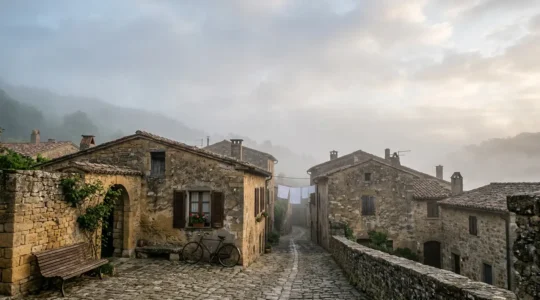
Why Do “Medieval Villages” Full of Souvenir Shops Feel Less Medieval Than Quiet Hamlets?
The quest for an authentic medieval experience in France is often misguided; the most perfectly preserved villages are rarely the most evocative. True historic atmosphere comes from “temporal texture”—the visible wear and age—not from pristine, restored facades that erase the…
Read more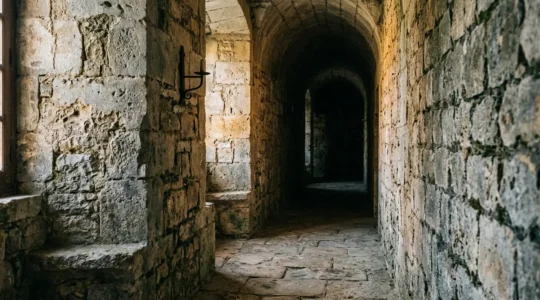
Why Do Guides Only Mention Secret Passages Without Actually Showing Them?
The common frustration of guidebooks teasing secret passages without granting access isn’t a dead end; it’s a misunderstanding of how French heritage operates. The solution lies not in finding a different guide, but in learning to decipher the unspoken code…
Read more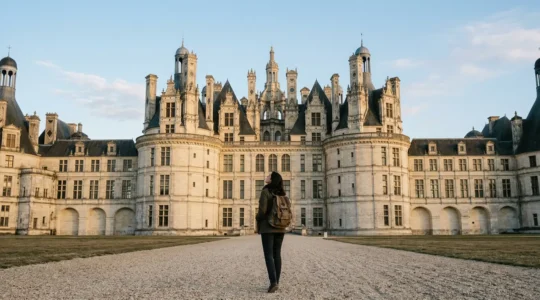
Why Does Visiting 5 Loire Châteaux in 3 Days Leave You Unable to Remember Which Was Which?
The dizzying blur of Loire châteaux stems from treating them as a checklist, leading to cognitive overload where magnificent details merge into an indistinct memory. The key is not to see more, but to understand more by curating a visit…
Read more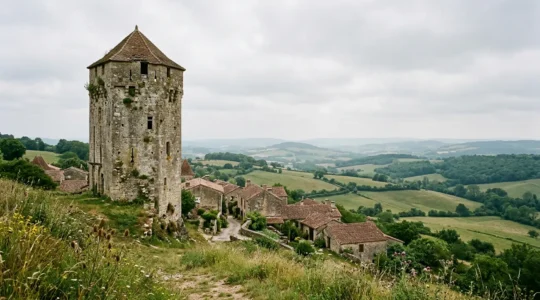
Why Do Small French Towns Sometimes Have More Fascinating History Than Famous Sites?
Contrary to popular belief, the most famous and perfectly restored French historical sites are often the least authentic. True history is found in the unpolished “patina” of time, not in idealized 19th-century reconstructions. A site’s soul is defined by living…
Read more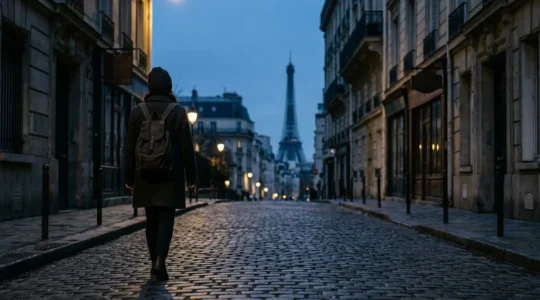
Why Do Standard French Tours Feel Generic Despite Promising Unique Experiences?
The frustrating gap between the promise of a “unique” French tour and the generic reality stems not from a lack of options, but from a flawed booking approach. Standard “curation” is often a repackaging of the most popular, crowded routes,…
Read more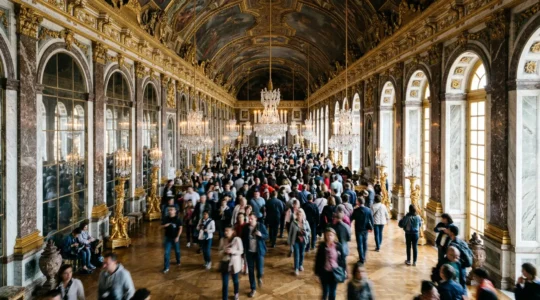
Why Versailles Can Feel More Like a Theme Park Than a Royal Palace
The crushing ‘theme park’ feeling at Versailles stems from experiencing it as a spectacle, not a story. The solution is to reverse the conventional tourist path. Instead of joining the main palace queue, start your visit at the tranquil, human-scale…
Read more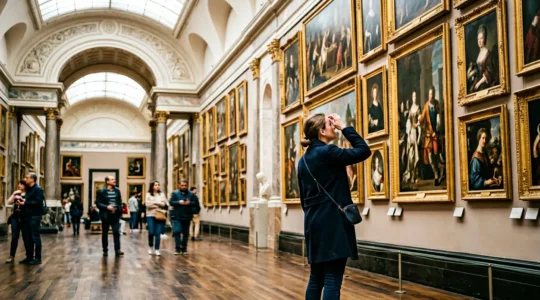
Why Does Everyone Say the Louvre Is Amazing but Your Visit Felt Overwhelming?
Your museum fatigue isn’t a lack of stamina; it’s a predictable result of a design conflict between historic palaces and the demands of mass tourism. Cognitive load, caused by navigational confusion and decision-making, is the true source of exhaustion—not just…
Read more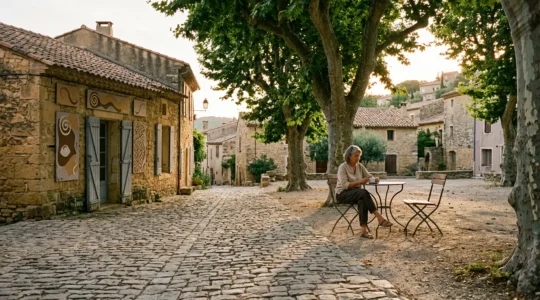
Why Your Week in France Taught You Less Than You Hoped (And How to Fix It)
The common belief is that to see France, you must see as much as possible. This article argues the opposite: the relentless pursuit of activities and destinations is precisely why your trips feel hollow. True cultural immersion comes not from…
Read more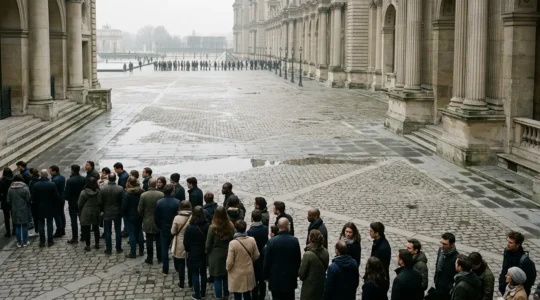
Why Does Your Paris “Cultural” Trip Feel Like a Queue Marathon Rather Than Enlightenment?
The key to a better cultural trip in Paris isn’t just booking tickets in advance or visiting on a Tuesday; it’s fundamentally rejecting the ‘checklist’ mindset that leads to crowd-induced burnout. Major attractions like the Louvre and Versailles operate on…
Read more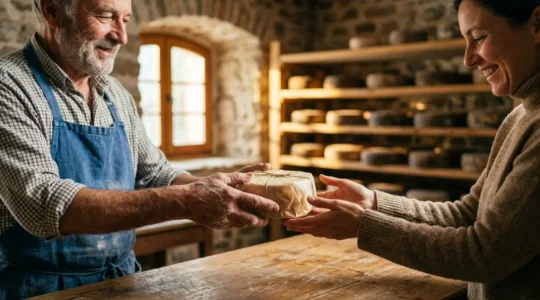
Why Do Products Taste Better When You Buy Directly From French Producers?
The incredible taste of French artisan food isn’t just about freshness; it’s a measurable psychological effect stemming from your direct connection with the maker. The story, environment, and human interaction of a purchase directly influence your sensory perception of flavour….
Read more