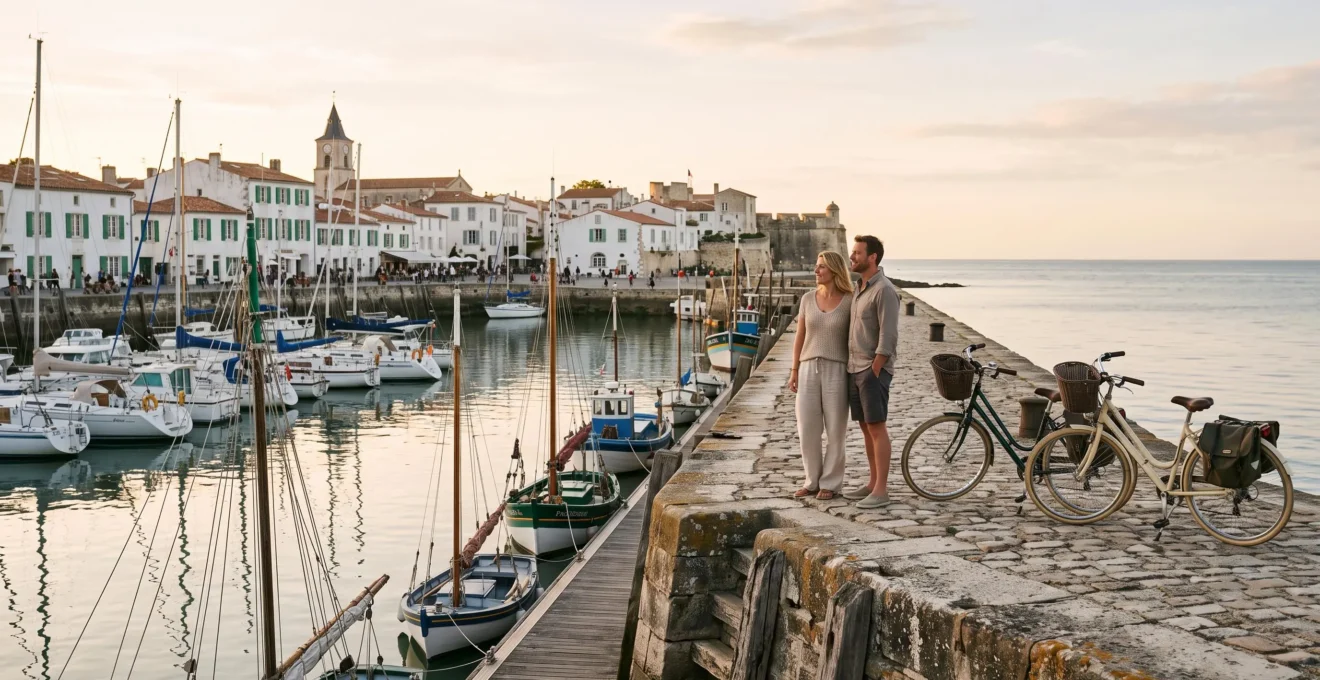
Planning a luxury holiday on Île de Ré is less about chasing “five-star” markers and more about making a few high-impact decisions early: the right season, the right village, and a pace that matches the island’s rhythm. Done well, a premium budget buys you space, quiet and access—without sacrificing what makes Ré feel real.
The safest approach is to plan like a local friend would: book the pieces that truly sell out, choose one base that fits your style, then build days around markets, cycling lanes, salt marshes and ports rather than an overloaded checklist.
Your planning compass for Île de Ré
- Pick your season first: for calm and light, prioritise spring or autumn; for festive family energy, choose summer (Office de Tourisme de l’île de Ré).
- Choose a village like you choose a hotel: port atmosphere vs. quiet lanes vs. proximity to marshes and vineyards.
- Book what constrains the trip: premium accommodation and sought-after restaurants months ahead—especially around late July and August.
- Build “one anchor + one pleasure” days: 1–2 key moments, then open space for spontaneity.
- Use official local sources for timings: seasonal openings and practical info change—verify close to departure.
What Makes Île de Ré a Distinctive Luxury Destination?
Direct answer: Île de Ré’s luxury is discreet and culture-led: preserved whitewashed villages, a cycling-first lifestyle, and food-and-craft experiences rooted in ports, markets and marshlands—rather than resort-style opulence.
If you are weighing Île de Ré against better-known French “luxury” names, the difference is immediate on the ground: you do not come here to be impressed by scale. You come for coherence—architecture, light, bikes, harbours, and small rituals repeated well.
A generic five-star pattern often looks like this: transfers, facilities, a curated bubble, and days that feel similar anywhere on the coast. A Rétais high-end day is usually simpler—and more valuable: a covered market for produce, a slow ride between villages, then a tasting by the water because you chose the right port at the right time.
To keep your plans aligned with the island, use the official Île de Ré Tourist Office travel guide to explore accommodation options, local activities and practical information. Then define luxury in terms of comfort and authenticity: fewer unnecessary journeys, better timing and local experiences you have time to enjoy.
Budget-to-value check: if an experience could be replicated anywhere without the island setting (standard spa day, generic tasting menu), treat it as optional—prioritise Ré-specific moments first.
When Should You Start Planning Your Luxury Holiday?
Start planning around the constraint that shapes everything else: availability. On Île de Ré, the “perfect” season is the one that matches your desired atmosphere and still leaves you choice in where you stay and where you dine.
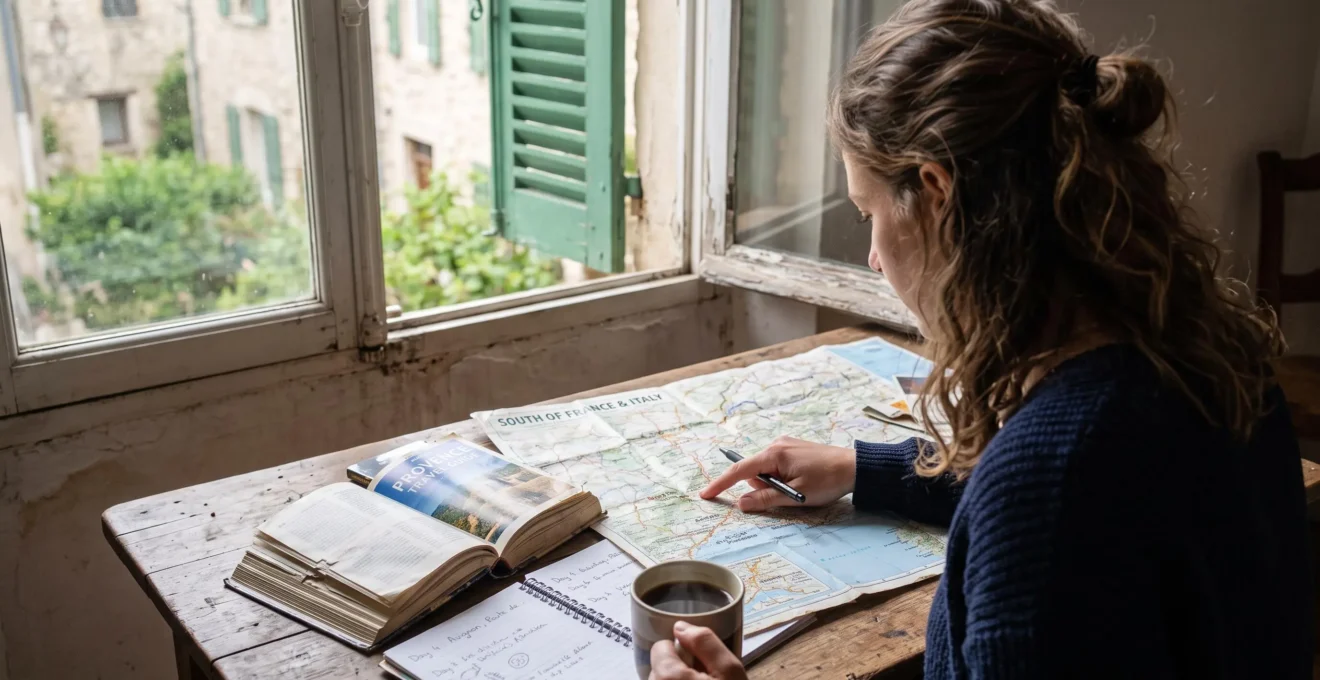
Is high season or shoulder season better for a luxury trip to Île de Ré?
Spring and autumn are worth considering if you want a quieter stay, while summer may suit travellers looking for a livelier, family-oriented atmosphere. The Île de Ré Tourist Office describes spring and autumn as good seasons for a peaceful, bright holiday, but the best time to visit depends on your priorities, the weather and the services you want to use.
Summer can be a good fit if you enjoy busy harbours and long evenings. However, accommodation availability, restaurant opening dates and visitor numbers vary by period, so check the conditions for your intended travel dates before booking.
When should you start booking a premium stay on Île de Ré?
Book as soon as you have fixed your travel week—because the best-located high-end homes, boutique-style hotels and the most sought-after tables have limited capacity. Rather than relying on assumptions, anchor your calendar to what local tourism data says about the island’s rhythm.
In its review of the 2024 season, local publication Ré à la Hune reported that Destination Île de Ré had observed a shift in the timing of the island’s busiest period. According to the report, the very high season had tended to begin around the weekend of 20–21 July since 2018–2019, while tourism activity extended from the Easter period in April to the October half-term holidays. These observations describe a trend reported in 2024, not a fixed calendar for every year, so check current accommodation availability and local conditions before choosing your dates.
- As soon as your dates are fixedLock your base (village + accommodation) first; it determines your daily logistics and the feel of the trip.
- Several months before arrivalReserve your “signature” meals (the addresses you would regret missing). If you aim for late July–August, treat this as non-negotiable.
- 4–6 weeks beforeConfirm any experiences with limited slots (private visits, tastings, workshops) and re-check seasonal opening times.
- 7–10 days beforeFine-tune each day’s pace, not the number of activities: add buffers for cycling time, market mornings, and weather changes.
How many days do you need on Île de Ré? The Office de Tourisme de l’île de Ré suggests planning at least 4 to 5 days on the island—use that as a baseline for a stay that doesn’t feel rushed.
How to Choose Where to Stay and What to Experience
Your biggest “luxury” decision on Île de Ré is not a room category—it is your village choice. Pick the wrong base and you will spend the week managing friction (parking, noise, long bike rides at the wrong times) instead of enjoying effortless days.
Because village personality is nuanced and can change with the season, treat official local desks as verification points before you finalise details close to departure.
Use the decision grid below to commit to a base in minutes—then plan experiences that actually fit that base, instead of trying to “cover” the island.
| Holiday priority | Villages to consider | Experiences to prioritise |
|---|---|---|
| Harbour atmosphere and heritage | Saint-Martin-de-Ré, La Flotte | Harbour walks, village markets, historic streets and meals by the water |
| Nature and quieter surroundings | Les Portes-en-Ré, Loix, Saint-Clément-des-Baleines | Coastal walks, salt-marsh landscapes and time in natural areas |
| A central base for cycling | La Couarde-sur-Mer, Le Bois-Plage-en-Ré | Cycle routes, beach visits and trips to other villages |
| Local produce and village life | Ars-en-Ré, La Flotte, Le Bois-Plage-en-Ré | Market visits, regional specialities and encounters with local producers |
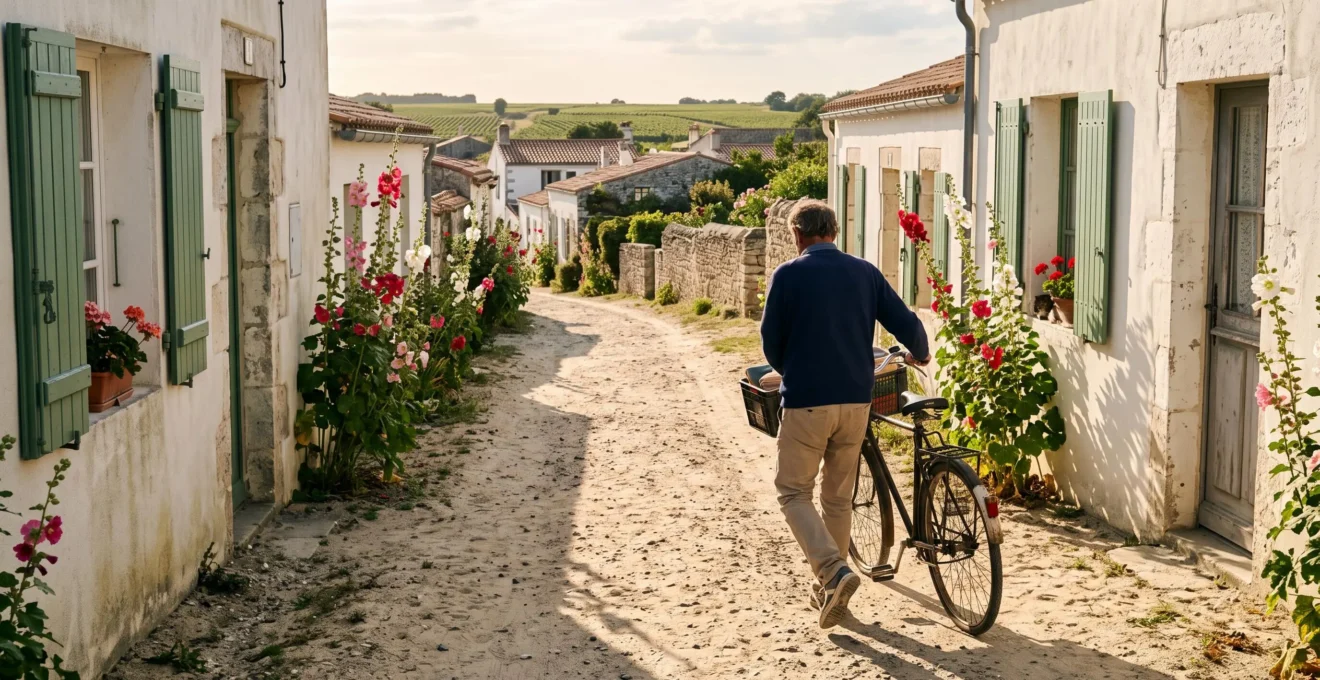
Which village should you stay in on Île de Ré?
Choose the village that matches your evening life—because evenings are the one part of the day you will not want to “commute” for. If you picture harbours, people-watching and spontaneous dining, base yourselves where that atmosphere is naturally outside your door. If you picture silence, shutters, and long reads between bike rides, base yourselves where calm is the default.
Practical examples
A couple planning a premium week with lively evenings may prefer accommodation within walking distance of a harbour, restaurants and shops. This reduces the need to organise transport after dinner. A family prioritising quiet mornings and flexible routines may prefer a property with outdoor space, convenient access to suitable cycle routes and essential shops nearby. In both cases, the exact location of the accommodation matters as much as the village itself.
What cultural experiences make a luxury stay on Île de Ré authentic?
Authentic “luxury” on Île de Ré is cultural and sensory: covered markets, working oyster ports, salt-marsh landscapes, and the island’s slow movement by bike. The experience feels premium when it is well-timed (early, unhurried) and when you choose depth over volume.
To justify a higher budget beyond standard comfort, spend on what increases meaning and ease: a better-located base, a longer lunch by the water, a producer visit you do not have to squeeze between two drives, and a day with nothing scheduled but the best ingredients from the market.
Building a Day-by-Day Itinerary That Balances Comfort and Discovery
Direct answer: Plan each day around one main anchor (a market morning, a heritage visit, a producer encounter) and one pleasure (beach time, a terrace lunch, a sunset ride). Leave the rest open.
The island rewards a light plan. Over-scheduling is the quickest way to turn a premium stay into a logistics exercise—especially if you want cycling, long meals, and time to simply be in the villages.
Use a simple rhythm: slow morning, market, bike, then one gentle experience in the afternoon. Keep travel friction low by grouping activities near your base, and treat “blank space” as an intentional booking that protects the week’s quality.
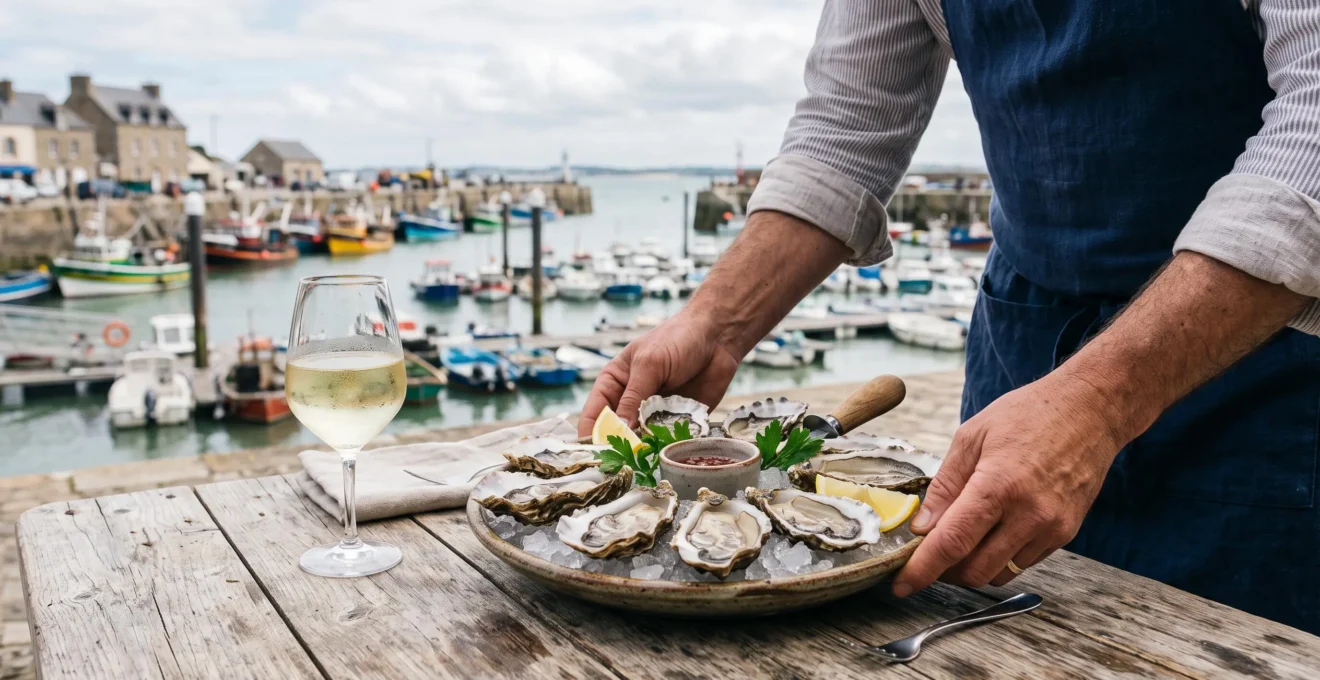
- Start with mornings (they set the tone)Pick two or three mornings for markets or easy rides, and keep them light—this is where Ré feels most “itself”.
- Add one anchor experience per dayOne meaningful visit, walk, or producer moment is usually enough; schedule it when your energy is naturally highest.
- Choose one comfort moment on purposeBook (or plan) a long lunch, a calm beach window, or a sunset port stroll—then protect it from last-minute additions.
- Leave a real bufferKeep at least one open block per day for discoveries, weather changes, or simply staying longer where you feel good.
If you are short on time, apply the same principle more selectively: choose one base, plan a market visit, enjoy a relaxed meal by the harbour and set aside time for one scenic cycle ride. This approach helps you enjoy a few experiences properly rather than trying to cover the entire island in a weekend.
Final Checks Before You Book
Before you confirm anything, run a final verification loop. This is where high-budget trips often fail: everything looks perfect on paper, but a single overlooked constraint (access, timings, cancellation terms) forces compromises on the island.
- Confirm your arrival arrangements Make sure your transport and check-in times work together. Keep the first evening simple, especially after a long journey.
- Check cancellation terms Read the booking conditions for your accommodation and priority activities before paying, and make sure you understand the rules if your plans change.
- Prioritise essential reservations Confirm your accommodation first, followed by the restaurants and experiences you most want to enjoy.
- Recheck seasonal opening times Markets, visits and services may operate on different schedules throughout the year, so confirm details before departure.
- Allow time for the rest of your France trip If Île de Ré is one stop on a longer itinerary, avoid scheduling so many destinations that you have little time to enjoy each one.
How do you plan the perfect luxury holiday on Île de Ré?
Plan it around three decisions: choose a season that matches your desired atmosphere (often spring or autumn for calm), choose one village base that fits your evenings and pace, then build “one anchor + one pleasure” days with buffers. Book the elements that truly limit availability first: premium accommodation and top dining choices.
What should you book first for a premium stay?
Book your base accommodation first, because it determines your daily logistics and the feel of the trip. Then reserve your highest-priority restaurants for the dates you care about most. After that, confirm limited-slot experiences and only then fill the gaps with flexible plans.
Which experiences justify a high budget on Île de Ré beyond standard luxury?
The best value usually comes from Ré-specific authenticity done at the right tempo: market-to-table days, oyster-port tastings, salt-marsh landscapes, and cycling between villages—paired with comfort choices that remove friction (a well-located base, a protected long lunch window, and fewer moves).