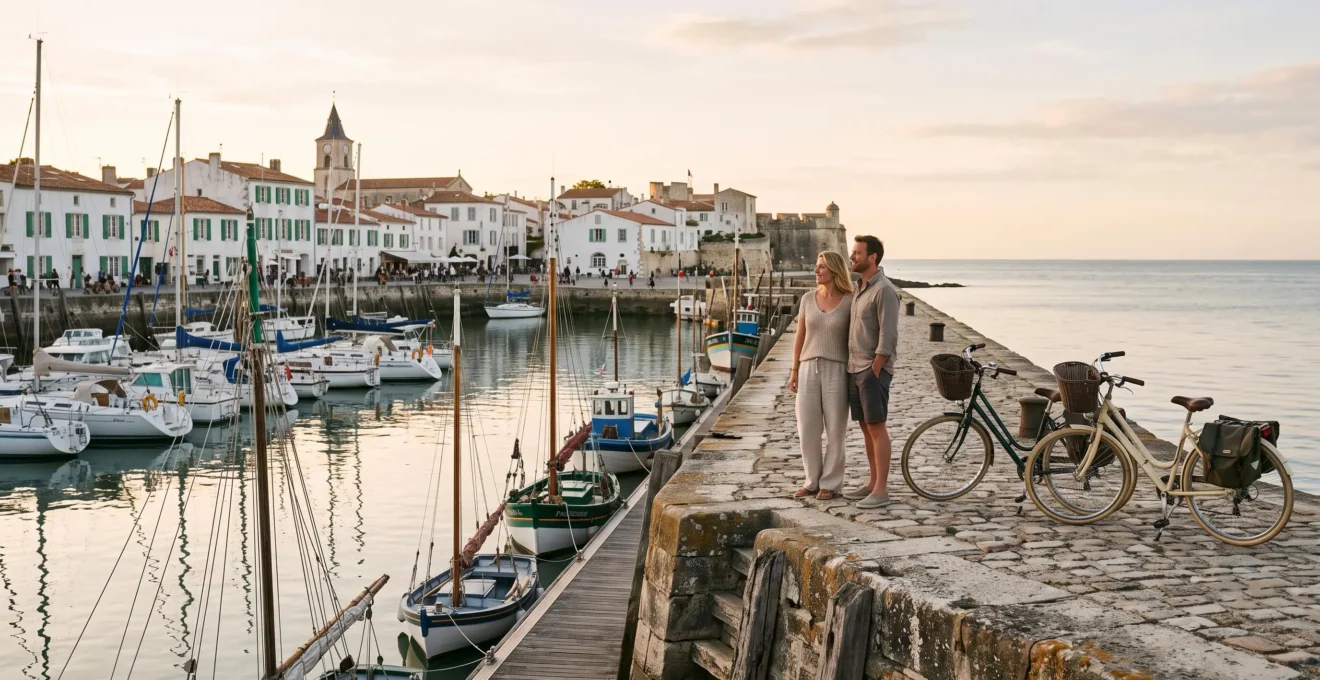
Planning a luxury holiday on Île de Ré is less about chasing “five-star” markers and more about making a few high-impact decisions early: the right season, the right village, and a pace that matches the island’s rhythm. Done well, a premium budget buys you space, quiet and access—without sacrificing what makes Ré feel real.
The safest approach is to plan like a local friend would: book the pieces that truly sell out, choose one base that fits your style, then build days around markets, cycling lanes, salt marshes and ports rather than an overloaded checklist.
Your planning compass for Île de Ré
- Pick your season first: for calm and light, prioritise spring or autumn; for festive family energy, choose summer (Office de Tourisme de l’île de Ré).
- Choose a village like you choose a hotel: port atmosphere vs. quiet lanes vs. proximity to marshes and vineyards.
- Book what constrains the trip: premium accommodation and sought-after restaurants months ahead—especially around late July and August.
- Build “one anchor + one pleasure” days: 1–2 key moments, then open space for spontaneity.
- Use official local sources for timings: seasonal openings and practical info change—verify close to departure.
What Makes Île de Ré a Distinctive Luxury Destination?
Direct answer: Île de Ré’s luxury is discreet and culture-led: preserved whitewashed villages, a cycling-first lifestyle, and food-and-craft experiences rooted in ports, markets and marshlands—rather than resort-style opulence.
If you are weighing Île de Ré against better-known French “luxury” names, the difference is immediate on the ground: you do not come here to be impressed by scale. You come for coherence—architecture, light, bikes, harbours, and small rituals repeated well.
A generic five-star pattern often looks like this: transfers, facilities, a curated bubble, and days that feel similar anywhere on the coast. A Rétais high-end day is usually simpler—and more valuable: a covered market for produce, a slow ride between villages, then a tasting by the water because you chose the right port at the right time.
To keep your plans aligned with the island (and avoid paying premium prices for standard experiences), use the official recommandations officielles de séjour as a baseline for mood by season and time on the island. Then build “luxury” as comfort plus authenticity: fewer moves, better timing, and local encounters you can actually enjoy.
Budget-to-value check: if an experience could be replicated anywhere without the island setting (standard spa day, generic tasting menu), treat it as optional—prioritise Ré-specific moments first.
When Should You Start Planning Your Luxury Holiday?
Start planning around the constraint that shapes everything else: availability. On Île de Ré, the “perfect” season is the one that matches your desired atmosphere and still leaves you choice in where you stay and where you dine.
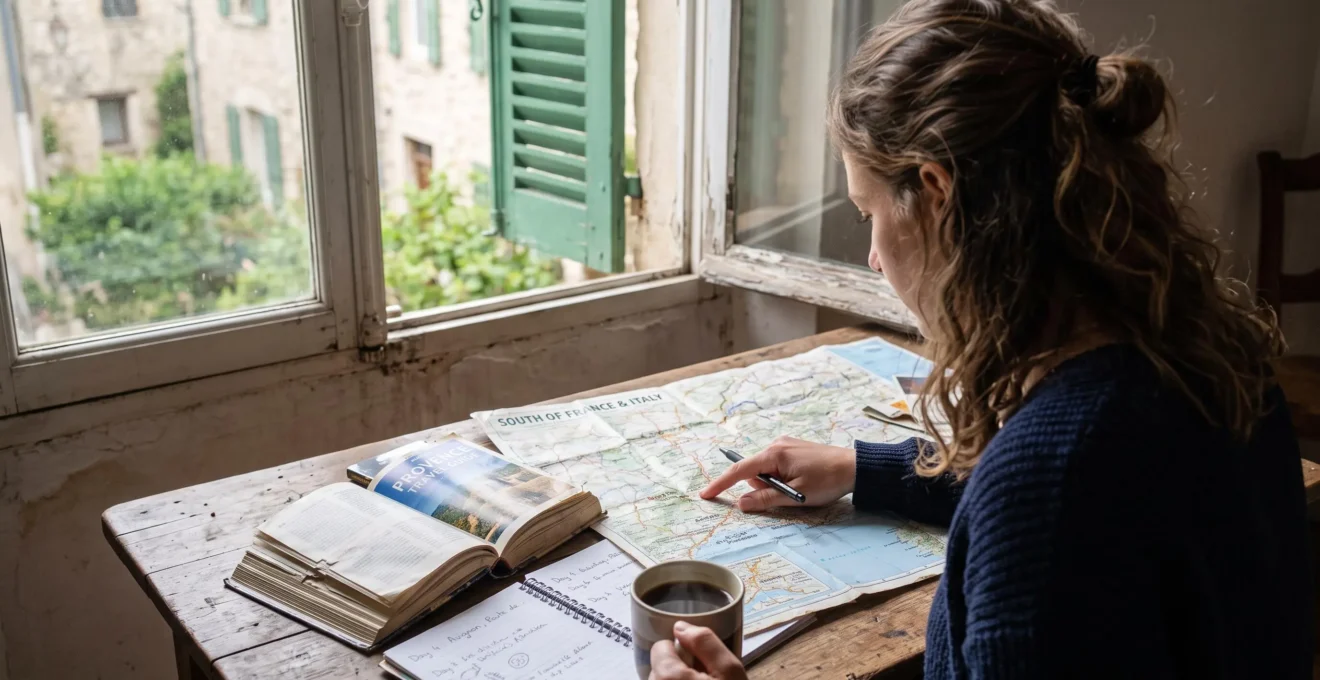
Is high season or shoulder season better for a luxury trip to Île de Ré?
For most premium travellers, shoulder season is the smarter luxury choice: you get light, space and easier reservations while keeping the island’s energy. The Office de Tourisme de l’île de Ré explicitly recommends spring and autumn for a “peaceful, bright holiday,” while describing summer as more festive and family-oriented.
High season can still work beautifully if your definition of luxury is lively harbours and long evenings—just accept that you will be trading serenity for buzz, and that you must book earlier to secure the village and address you truly want.
When should you start booking a premium stay on Île de Ré?
Book as soon as you have fixed your travel week—because the best-located high-end homes, boutique-style hotels and the most sought-after tables have limited capacity. Rather than relying on assumptions, anchor your calendar to what local tourism data says about the island’s rhythm.
According to Réal’Ahune’s 2024 season review, attributed to Destination Île de Ré, the very high season “ne démarre plus avant le week-end du 20-21 juillet
” (very high season no longer starts before that late-July weekend), and the tourist season is now described as stretching from April to October. See the calendrier saisonnier de l’île de Ré for context and limits of these observations.
- As soon as your dates are fixed
Lock your base (village + accommodation) first; it determines your daily logistics and the feel of the trip.
- Several months before arrival
Reserve your “signature” meals (the addresses you would regret missing). If you aim for late July–August, treat this as non-negotiable.
- 4–6 weeks before
Confirm any experiences with limited slots (private visits, tastings, workshops) and re-check seasonal opening times.
- 7–10 days before
Fine-tune each day’s pace, not the number of activities: add buffers for cycling time, market mornings, and weather changes.
How many days do you need on Île de Ré? The Office de Tourisme de l’île de Ré suggests planning at least 4 to 5 days on the island—use that as a baseline for a stay that doesn’t feel rushed.
How to Choose Where to Stay and What to Experience
Your biggest “luxury” decision on Île de Ré is not a room category—it is your village choice. Pick the wrong base and you will spend the week managing friction (parking, noise, long bike rides at the wrong times) instead of enjoying effortless days.
Because village personality is nuanced and can change with the season, treat official local desks as verification points before you finalise details close to departure. For example, the municipal tourist office in Saint-Martin-de-Ré is open year-round (except 25 December and 1 January), making it a reliable place to double-check practical information via the bureau d’accueil touristique municipal.
Use the decision grid below to commit to a base in minutes—then plan experiences that actually fit that base, instead of trying to “cover” the island.
| What you want most | Choose a village/base that feels like… | Prioritise experiences like… |
|---|---|---|
| Port atmosphere, evening strolls, a strong sense of place | A harbour-centred village where you can walk to the quays after dinner | Market mornings, heritage walks, a long terrace lunch, sunset by the port |
| Quiet lanes, private-house comfort, slow days | A calmer village setting where cycling feels effortless from the doorstep | Salt-marsh landscapes, artisan encounters, simple picnics done well, early beach time |
| Nature-first days with space for family rhythm | A base with easy access to beaches and flatter rides for mixed abilities | One planned outing per day, generous free time, child-friendly market routine |
| Food-and-craft authenticity over “luxury signals” | A base near producers and working landscapes (ports, marshes, vines) | Oyster-port tasting, salt-marsh discovery, local produce shopping and cooking at home |
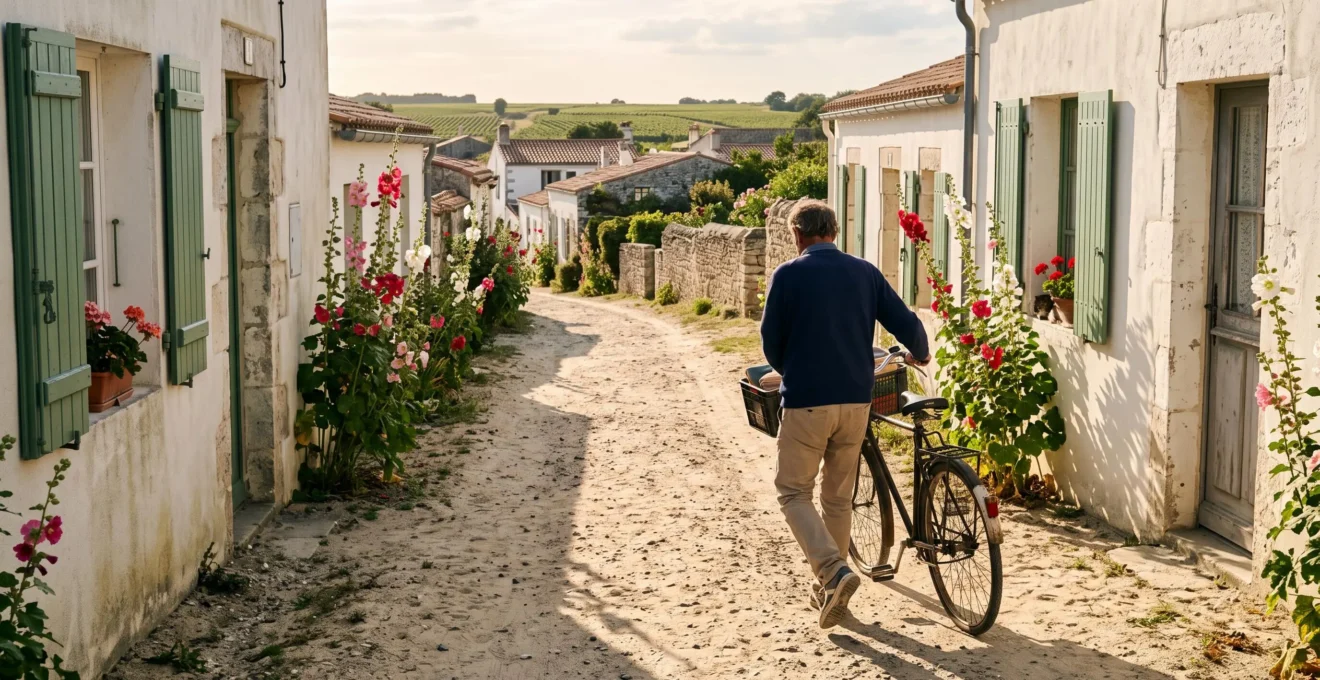
Which village should you stay in on Île de Ré?
Choose the village that matches your evening life—because evenings are the one part of the day you will not want to “commute” for. If you picture harbours, people-watching and spontaneous dining, base yourselves where that atmosphere is naturally outside your door. If you picture silence, shutters, and long reads between bike rides, base yourselves where calm is the default.
Cas pratique
A couple (hypothetical) wants a high-end week with lively evenings and minimal planning stress. They pick a port-centred base so dinner and post-dinner walks require no logistics. A family (hypothetical) prioritises naps, quiet mornings and easy bike loops; they choose a calmer base and plan one “anchor” outing per day, keeping beaches and markets close.
What cultural experiences make a luxury stay on Île de Ré authentic?
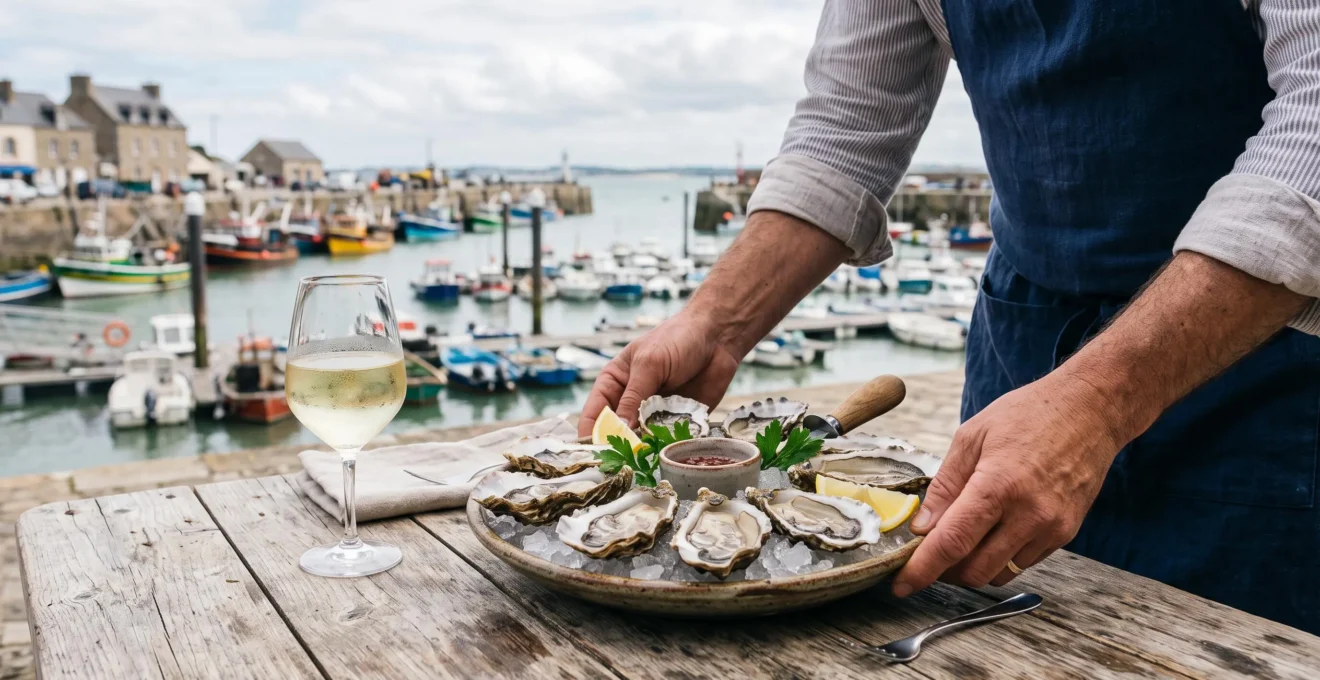
Authentic “luxury” on Île de Ré is cultural and sensory: covered markets, working oyster ports, salt-marsh landscapes, and the island’s slow movement by bike. The experience feels premium when it is well-timed (early, unhurried) and when you choose depth over volume.
To justify a higher budget beyond standard comfort, spend on what increases meaning and ease: a better-located base, a longer lunch by the water, a producer visit you do not have to squeeze between two drives, and a day with nothing scheduled but the best ingredients from the market.
Building a Day-by-Day Itinerary That Balances Comfort and Discovery
Direct answer: Plan each day around one main anchor (a market morning, a heritage visit, a producer encounter) and one pleasure (beach time, a terrace lunch, a sunset ride). Leave the rest open.
The island rewards a light plan. Over-scheduling is the quickest way to turn a premium stay into a logistics exercise—especially if you want cycling, long meals, and time to simply be in the villages.
Use a simple rhythm: slow morning, market, bike, then one gentle experience in the afternoon. Keep travel friction low by grouping activities near your base, and treat “blank space” as an intentional booking that protects the week’s quality.
- Start with mornings (they set the tone)
Pick two or three mornings for markets or easy rides, and keep them light—this is where Ré feels most “itself”.
- Add one anchor experience per day
One meaningful visit, walk, or producer moment is usually enough; schedule it when your energy is naturally highest.
- Choose one comfort moment on purpose
Book (or plan) a long lunch, a calm beach window, or a sunset port stroll—then protect it from last-minute additions.
- Leave a real buffer
Keep at least one open block per day for discoveries, weather changes, or simply staying longer where you feel good.
If you are short on time, apply the same rule more strictly: one base, one iconic market morning, one slow harbour meal, and one long ride between villages. That structure prevents the common mistake of trying to “do the whole island” in a weekend.
For couples who want romance without pressure, avoid itineraries built on constant moves and “must-book” moments every night. If this is a recurring travel pattern, the piece on stress in romantic hotels can help you spot planning choices that quietly create tension.
Final Checks Before You Book
Before you confirm anything, run a final verification loop. This is where high-budget trips often fail: everything looks perfect on paper, but a single overlooked constraint (access, timings, cancellation terms) forces compromises on the island.
- Confirm access and arrival rhythm
Align your arrival time with your first evening: choose an easy first night, not a “big booking” after a long journey.
- Check cancellation and flexibility
For accommodation and key meals, read the conditions before paying—flexibility is part of luxury when plans shift.
- Lock the three priority reservations
Base accommodation, your top dining choices, and any limited-slot cultural/producers experiences come first; everything else can stay lighter.
- Validate seasonal opening times close to departure
Markets, visits and services can vary by period—verify with official local information before you build tight sequences.
- Connect Île de Ré to the rest of your France trip
Keep the same philosophy: fewer stops, better pacing, and enough time per place to feel the culture rather than collect it.
How do you plan the perfect luxury holiday on Île de Ré?
Plan it around three decisions: choose a season that matches your desired atmosphere (often spring or autumn for calm), choose one village base that fits your evenings and pace, then build “one anchor + one pleasure” days with buffers. Book the elements that truly limit availability first: premium accommodation and top dining choices.
What should you book first for a premium stay?
Book your base accommodation first, because it determines your daily logistics and the feel of the trip. Then reserve your highest-priority restaurants for the dates you care about most. After that, confirm limited-slot experiences and only then fill the gaps with flexible plans.
Which experiences justify a high budget on Île de Ré beyond standard luxury?
The best value usually comes from Ré-specific authenticity done at the right tempo: market-to-table days, oyster-port tastings, salt-marsh landscapes, and cycling between villages—paired with comfort choices that remove friction (a well-located base, a protected long lunch window, and fewer moves).
Once you have chosen your season, committed to the right village, and protected your days from overbooking, you have the core of a luxury holiday on Île de Ré: effortless comfort, and the space to enjoy what is genuinely local.